Konjac Powder Jelly (Konnyaku Powder Jelly) Wholesale
Konjac Powder Jelly, Konnyaku Powder Jelly
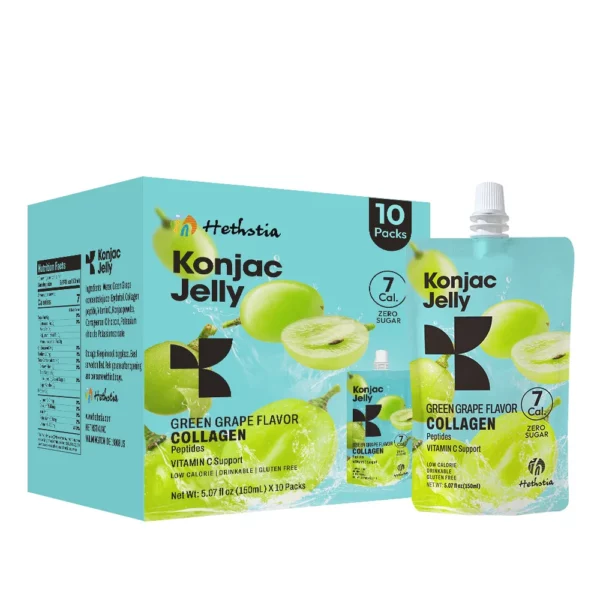
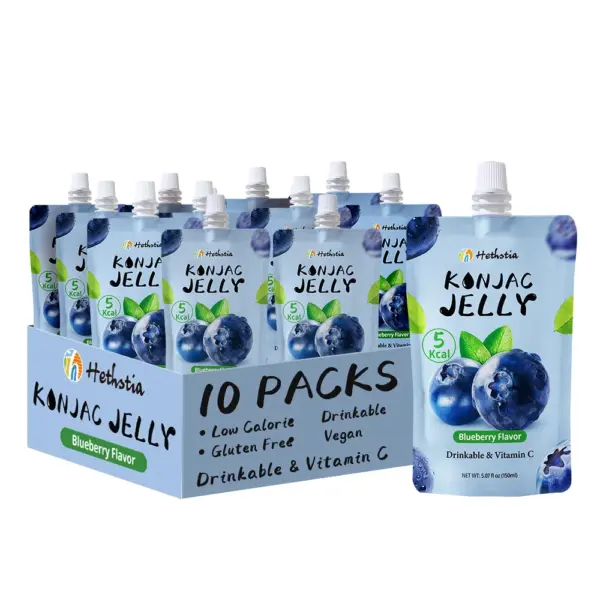
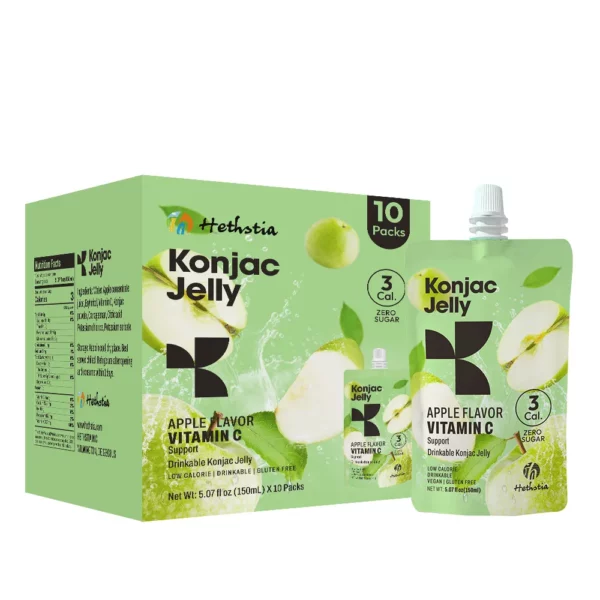
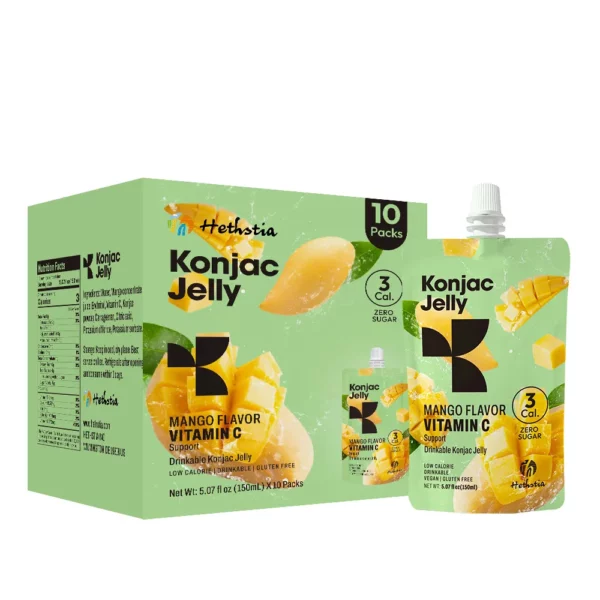
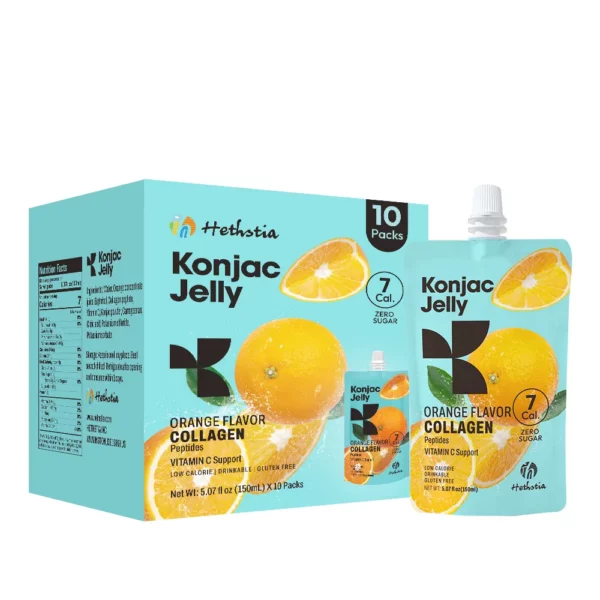
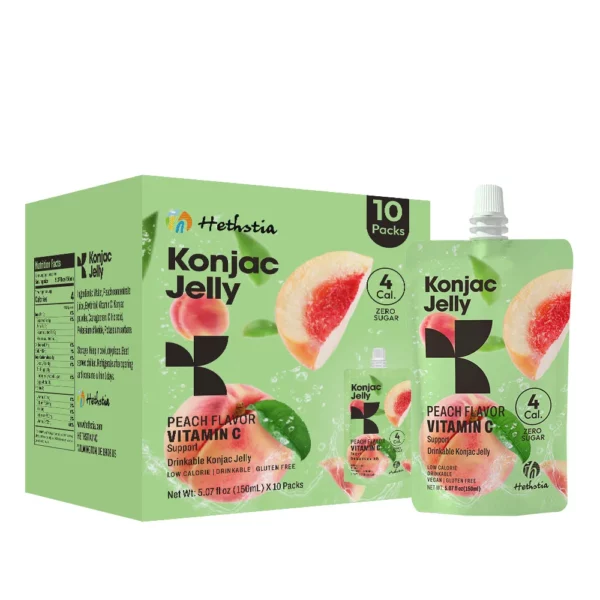
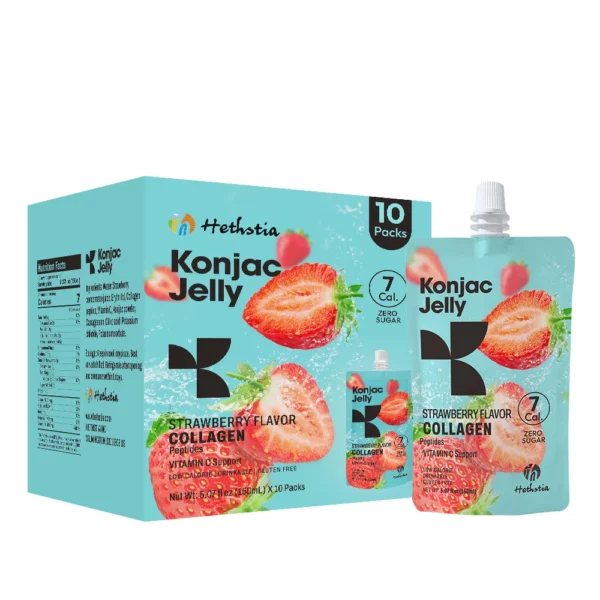
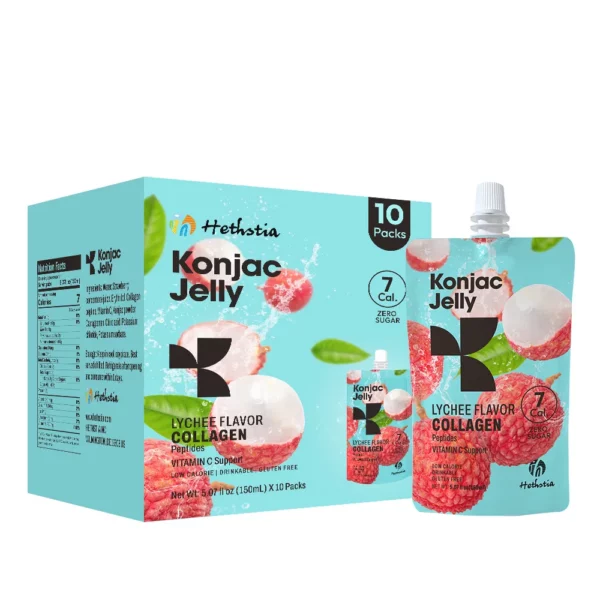
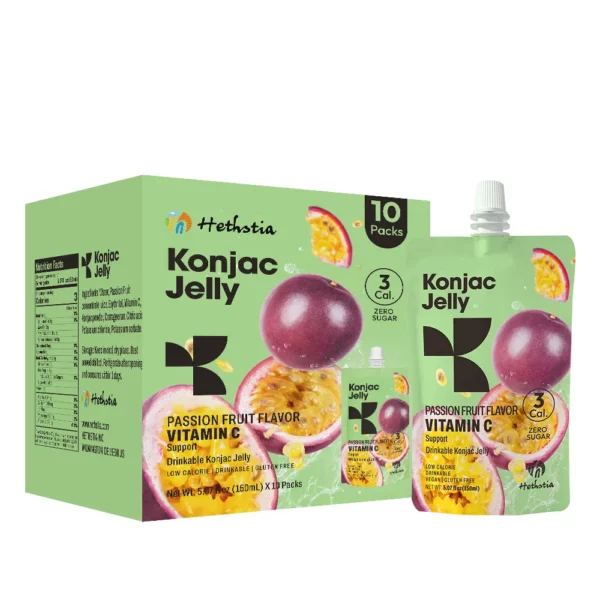
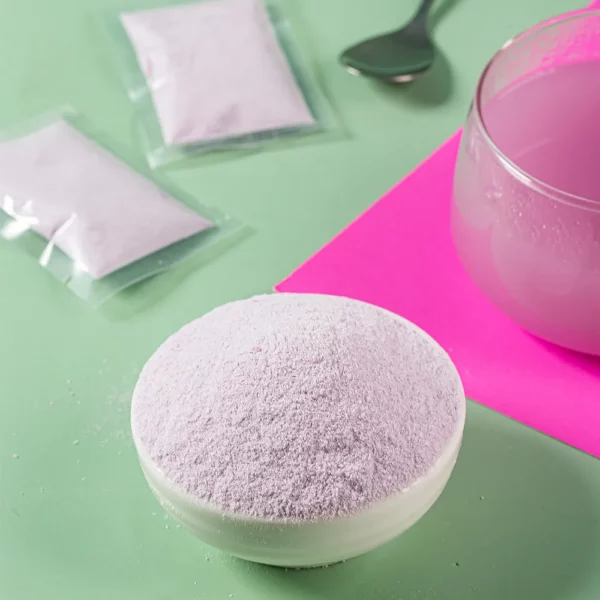
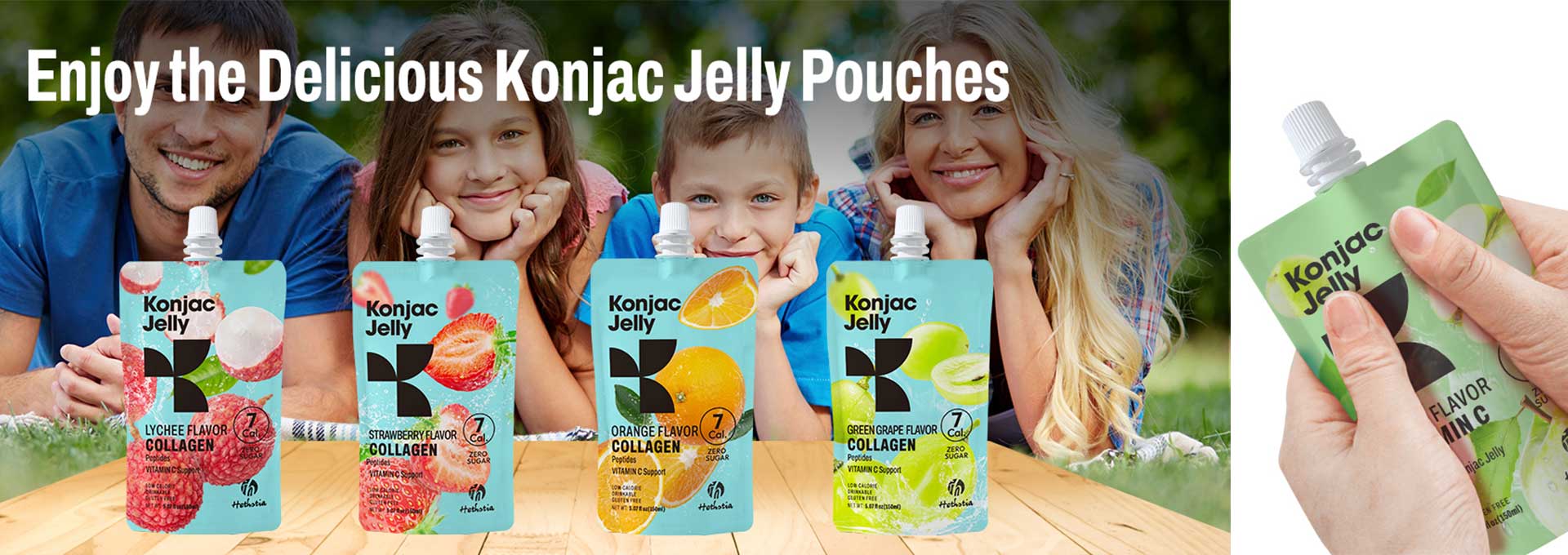
Sentaiyuan konjac powder jelly comes in 8 flavors: peach, mango, lychee, grape, strawberry, orange, passion fruit, and apple. Among them, orange flavor and lychee flavor konnyaku powder jelly contain collagen. Zero sugar, low calorie, fat-free, vitamin C-containing konjac jelly snack. No more than 7 calories per serving!
Showing all 8 results
FAQs
1. Does konjac jelly actually help with weight loss?
Yes, as a tool for satiety. The jelly is made of water and glucomannan fiber, which expands slightly in the stomach. Drinking a pouch (which is mostly water and fiber) can create a temporary feeling of fullness (“satiety”) for only ~5 calories, effectively stopping you from snacking on higher-calorie foods.
2. Is konjac jelly really "Zero Calories"?
Usually not, but it is close. Most brands (like Jelly B or Everydaze) contain between 2 and 7 calories per pouch. They are legally allowed to label themselves as “low calorie” or “diet,” but they are rarely truly zero-calorie. The calories usually come from a small amount of fruit juice concentrate used for flavor.
3. What does konjac jelly taste and feel like?
It does not have the soft, melting texture of regular gelatin.
Texture: It is chewy, firm, and elastic (bouncy). You have to actually chew it; you cannot just let it dissolve on your tongue.
Taste: The konjac itself is flavorless. The taste comes entirely from the sweeteners (usually Erythritol) and fruit flavorings added to it. It tastes like a firm, drinkable fruit juice.
4. How do you eat the drinkable pouches properly?
If you try to suck the jelly out immediately, it will be just a solid block of gel.
The Method: You must squeeze and crush the pouch with your hands before opening the cap. This breaks the solid jelly structure into small, drinkable chunks.
5. Does konjac jelly contain gelatin (is it Vegan)?
Yes, it is almost always Vegan. Konjac jelly uses konjac plant fiber (glucomannan) and sometimes carrageenan (seaweed) as the gelling agent. It does not use gelatin, which is derived from animal collagen. This makes it a popular snack for vegans and those eating Halal/Kosher.
6. Why was konjac jelly banned in some countries?
This refers specifically to the mini-cup version (small, bite-sized plastic cups), not the drinkable pouches.
The Danger: Unlike gelatin (Jell-O), konjac jelly does not melt in your mouth. It is heat-stable and extremely firm. If you suck a mini-cup straight into your mouth, the smooth, hard jelly can slide into the throat and act as a plug, causing a total airway obstruction that is difficult to dislodge with the Heimlich maneuver.
The Ban: Because of choking deaths among children and the elderly, these specific mini-cups are banned or heavily regulated in the EU, Australia, and parts of the US.
Current Status: The modern “drinkable pouches” with a spout are designed to be crushed before eating, making them significantly safer.
You may also be interested in
Food and Beverage Exhibition
2023 – 2025, Sentaiyuan has participated in the World Organic Food and Beverage Exhibition. Thailand Korea Exhibition 2023, Australian Exhibition 2023, Malaysia Exhibition 2023, German Exhibition 2023, FHA 2024,2025 exhibition, 2025 Natural Products EXPO WEST, 2025 PLMA Netherlands, 2025 THAIFEX – Anuga Asia.