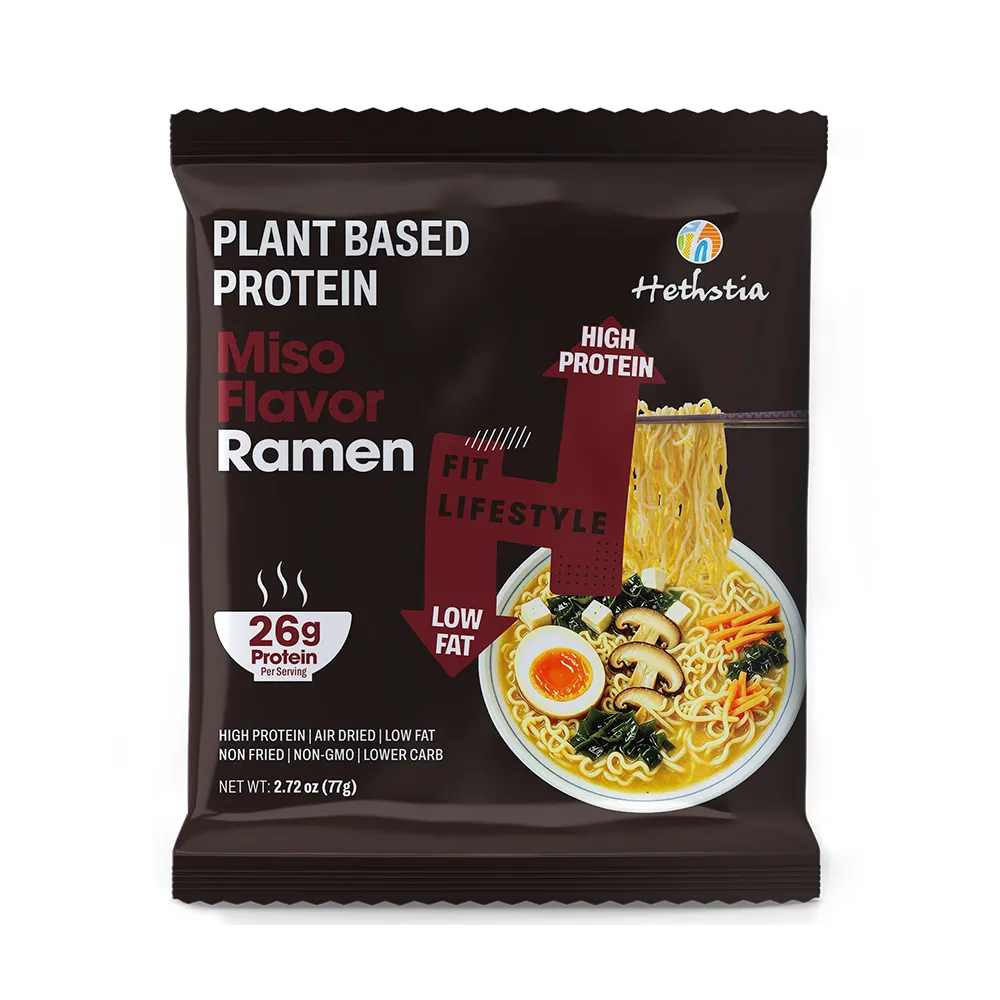
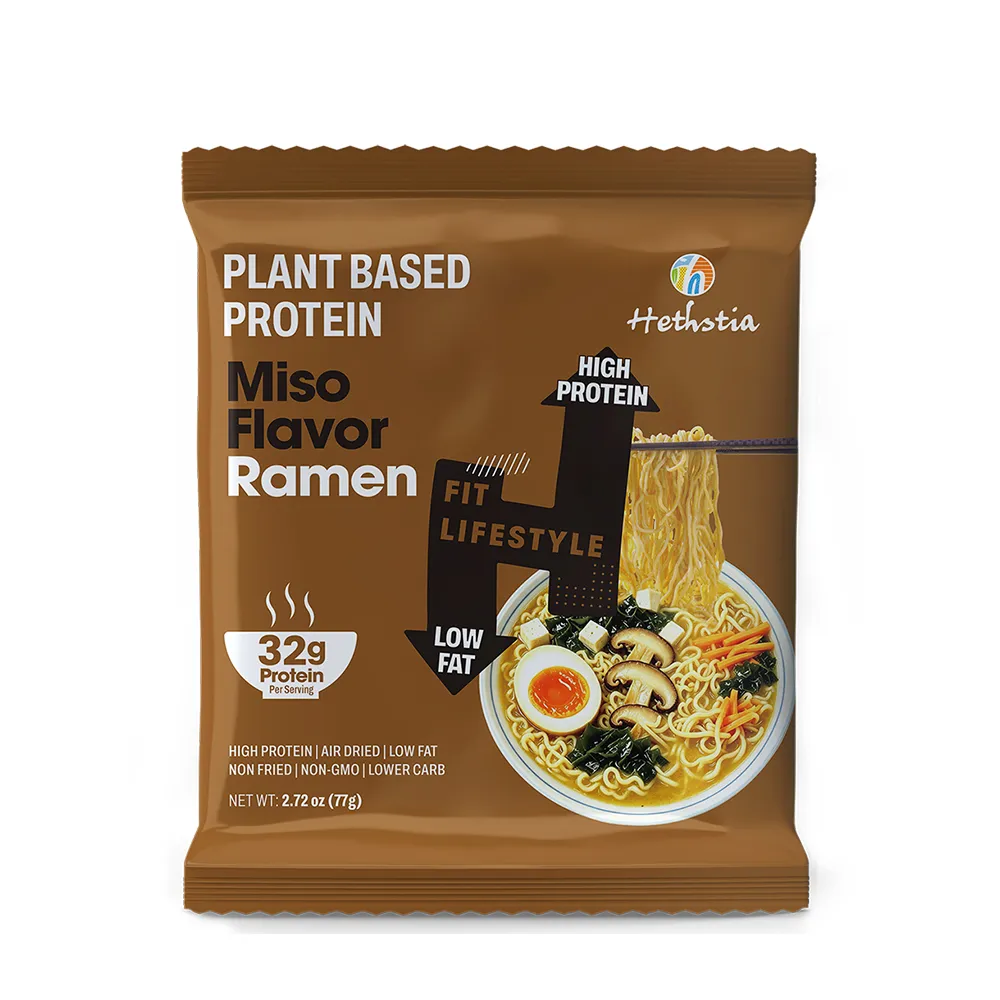
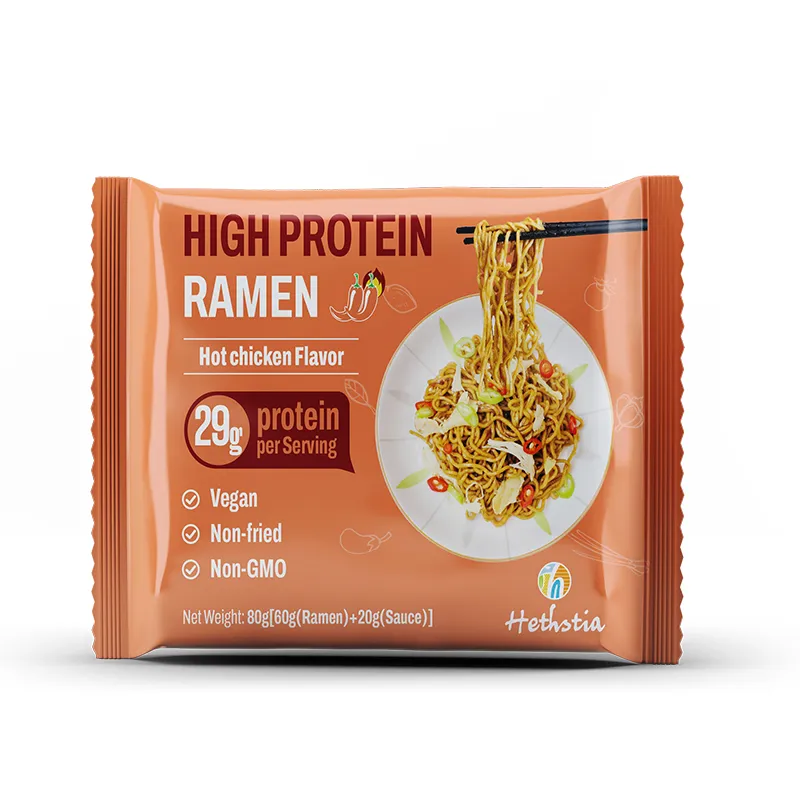
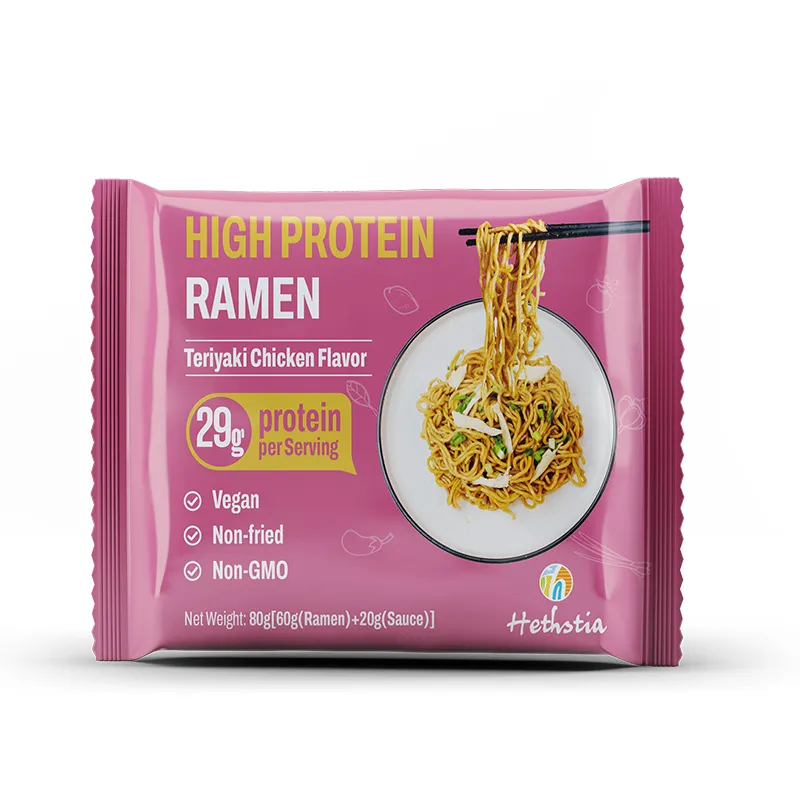
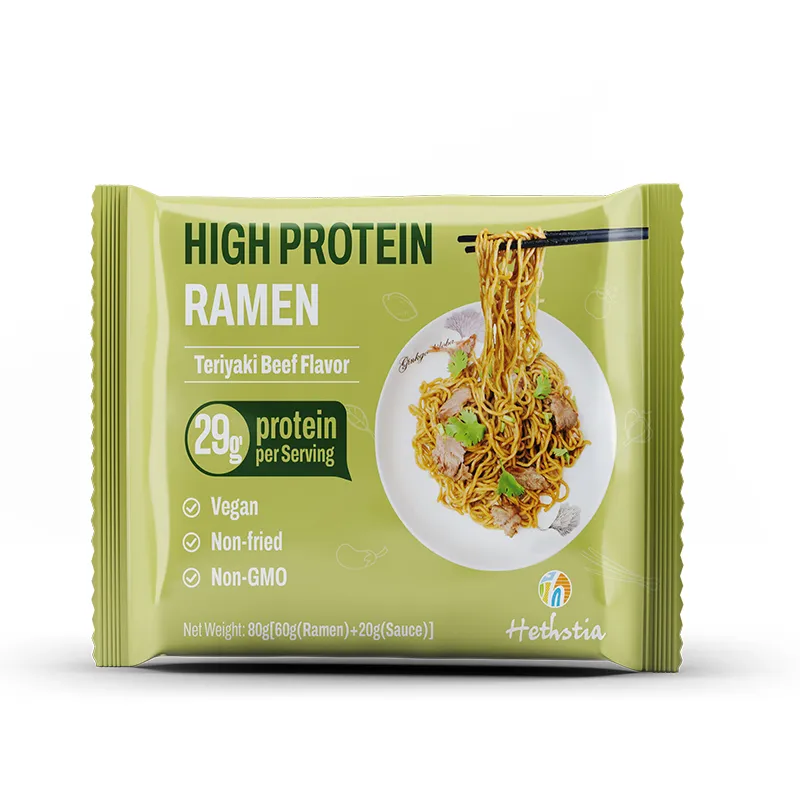
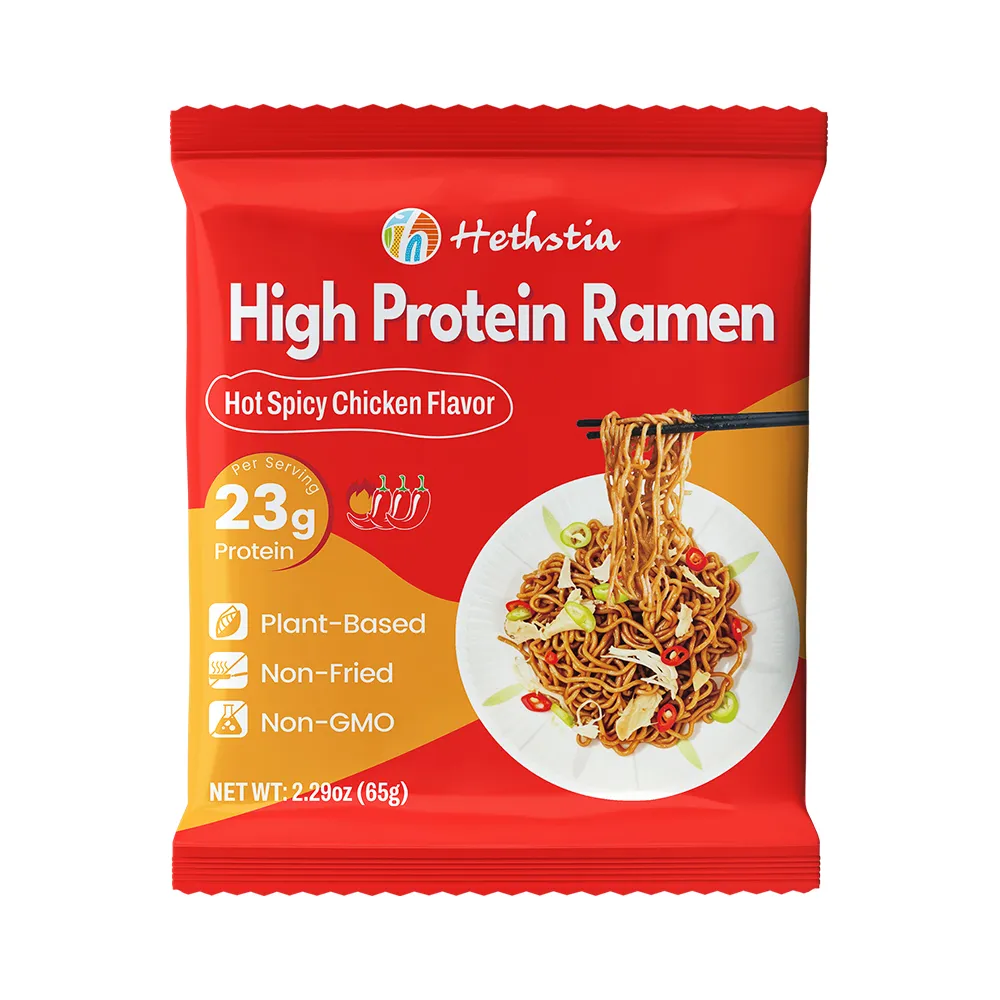
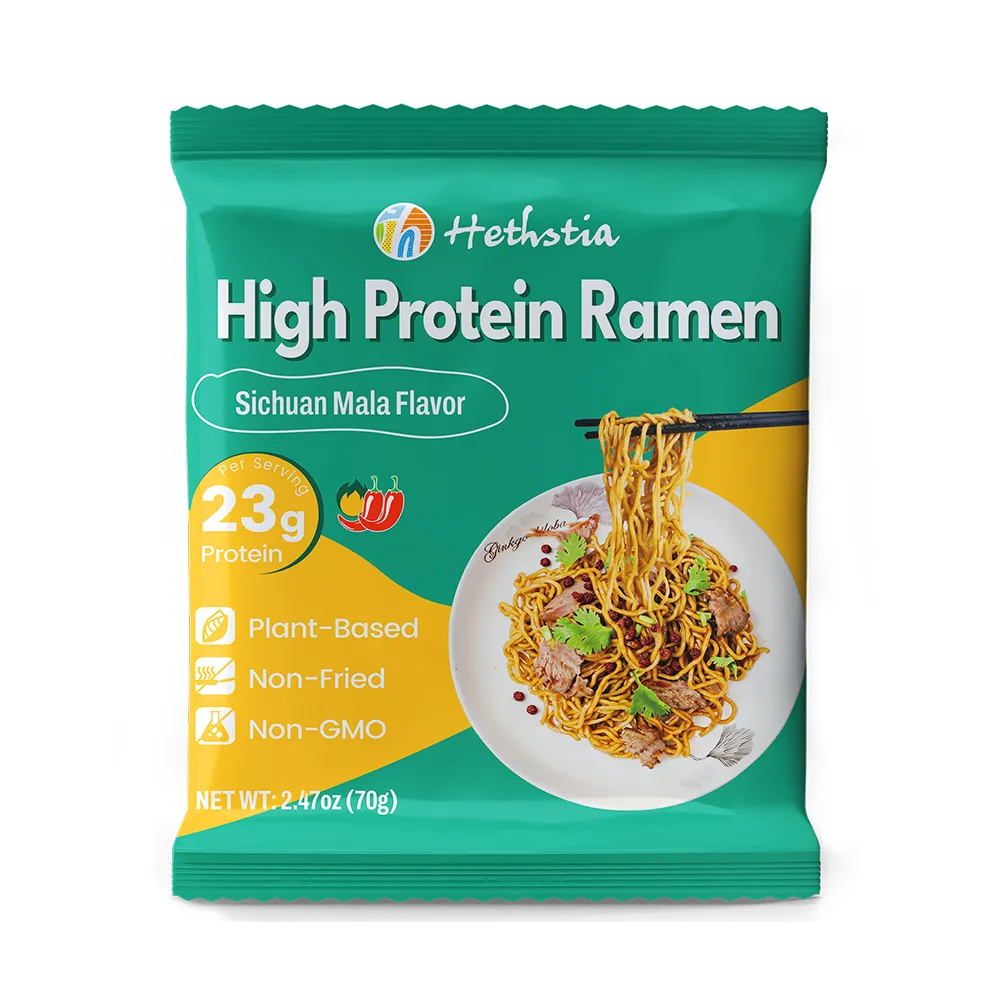
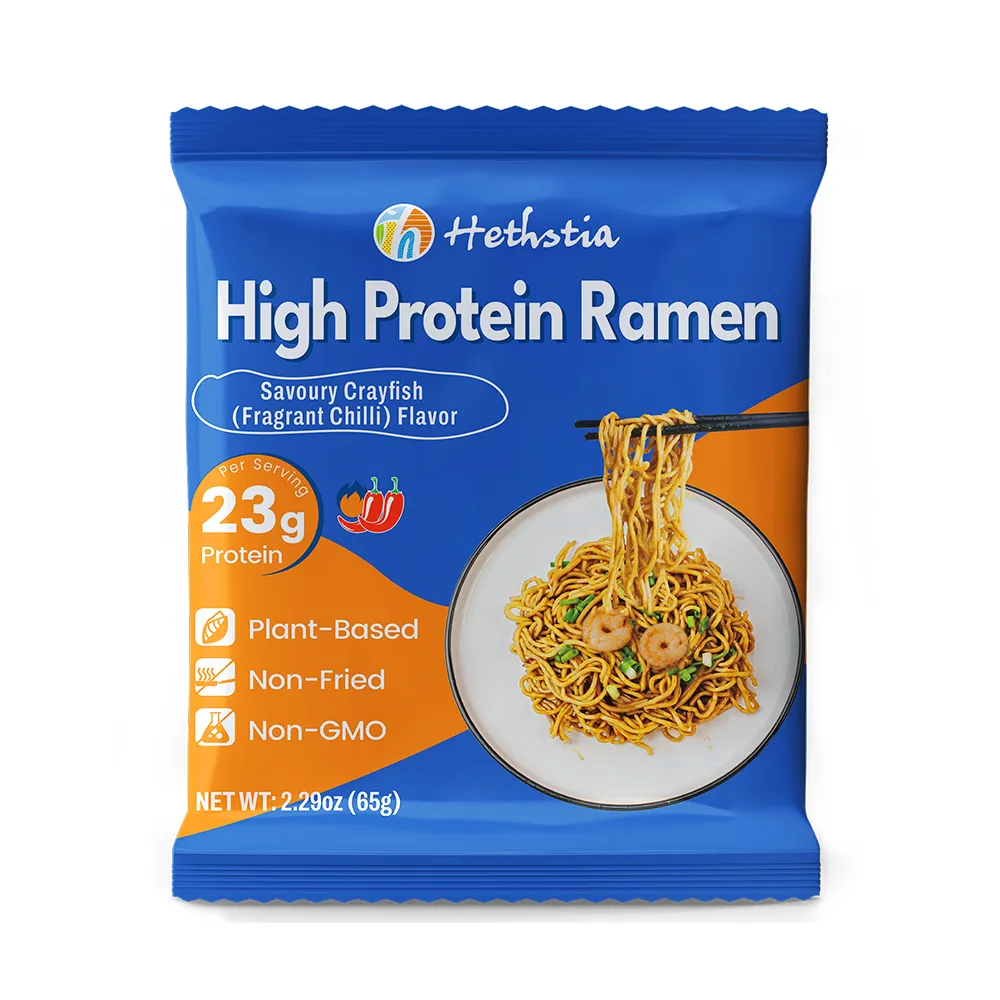
High-Protein Noodle Manufacturer for OEM & Private Label
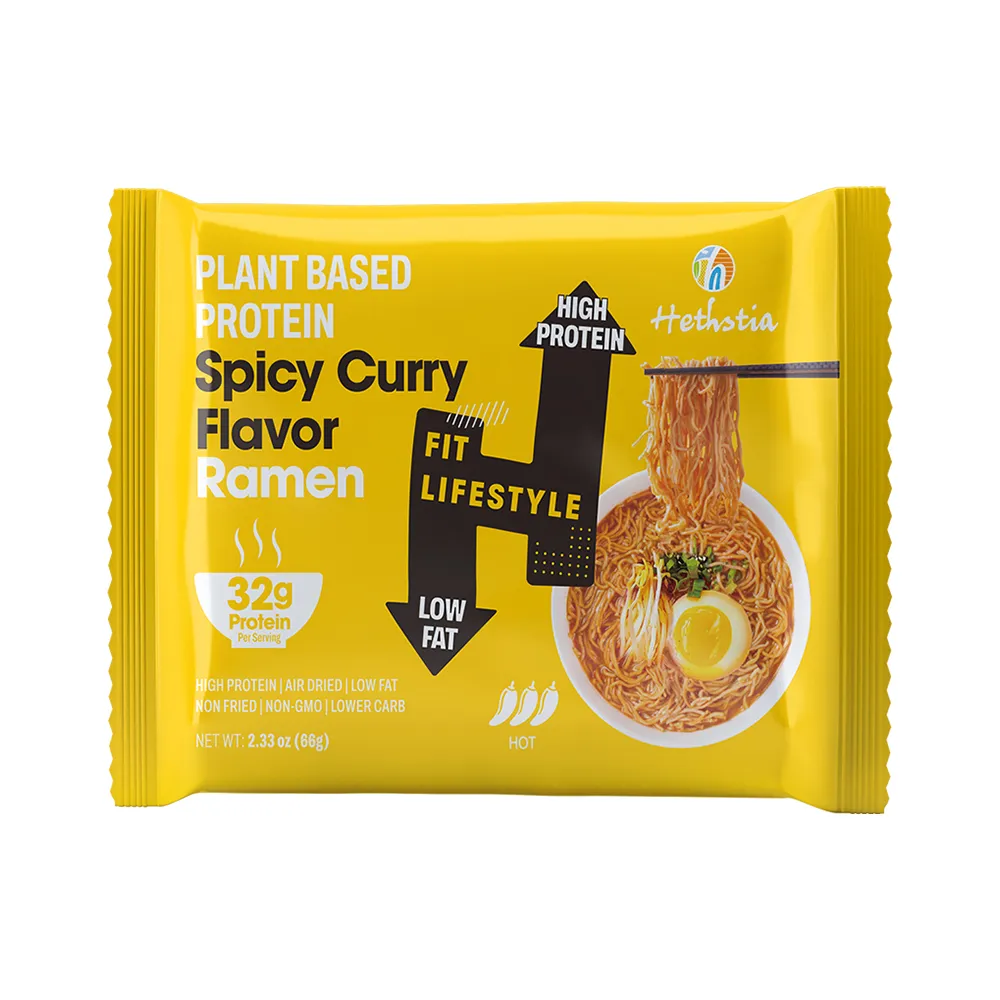
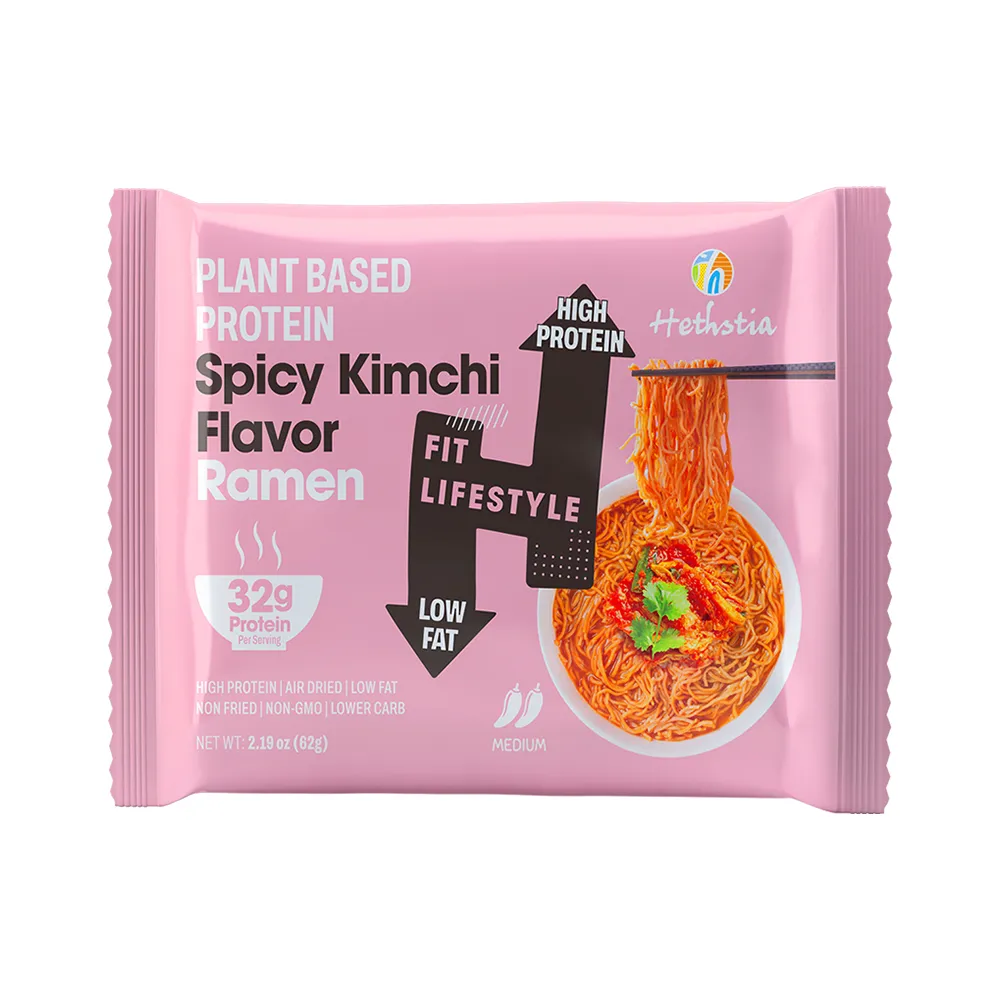
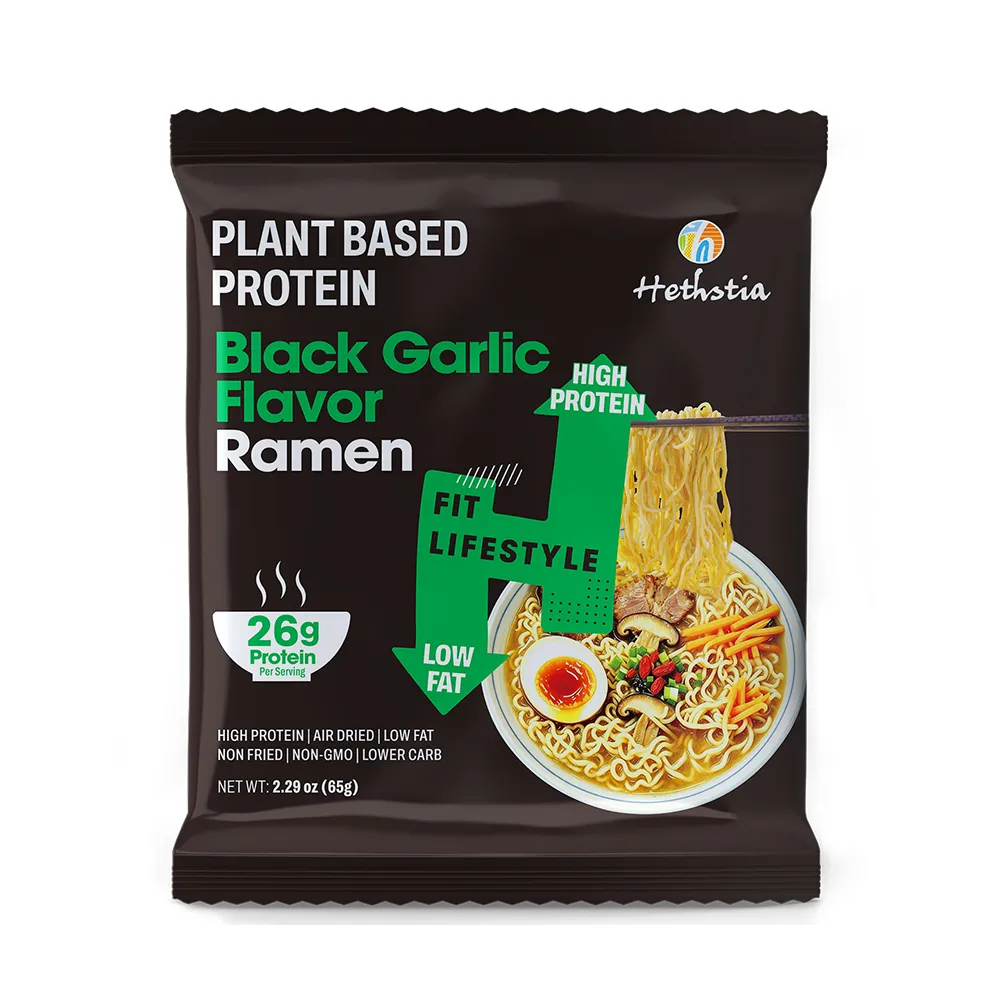
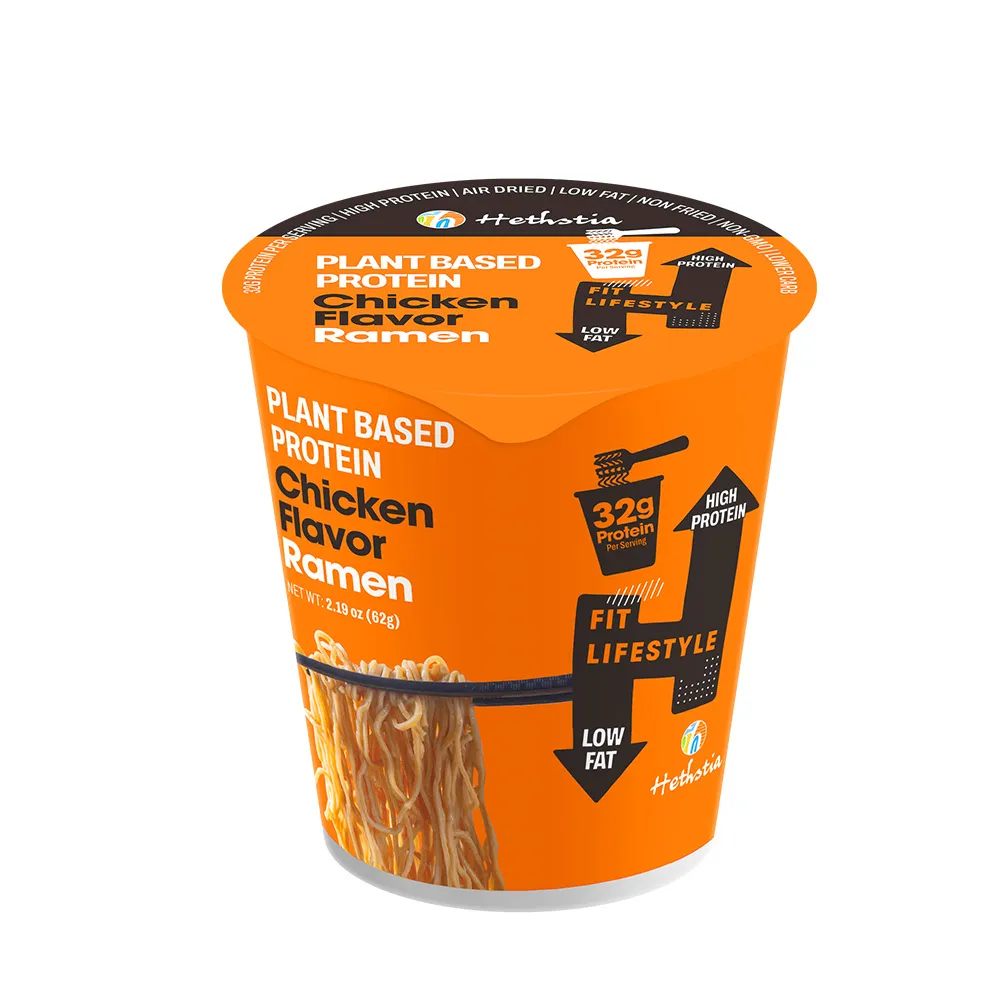
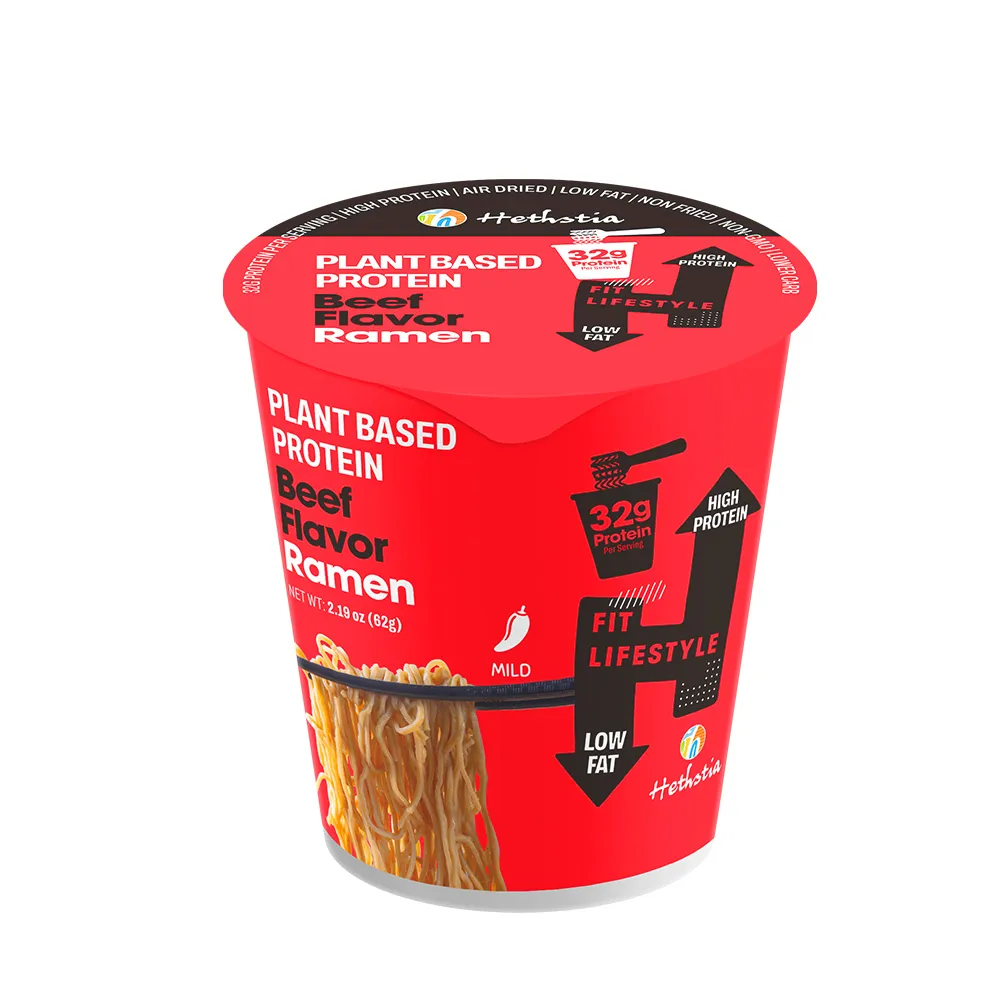
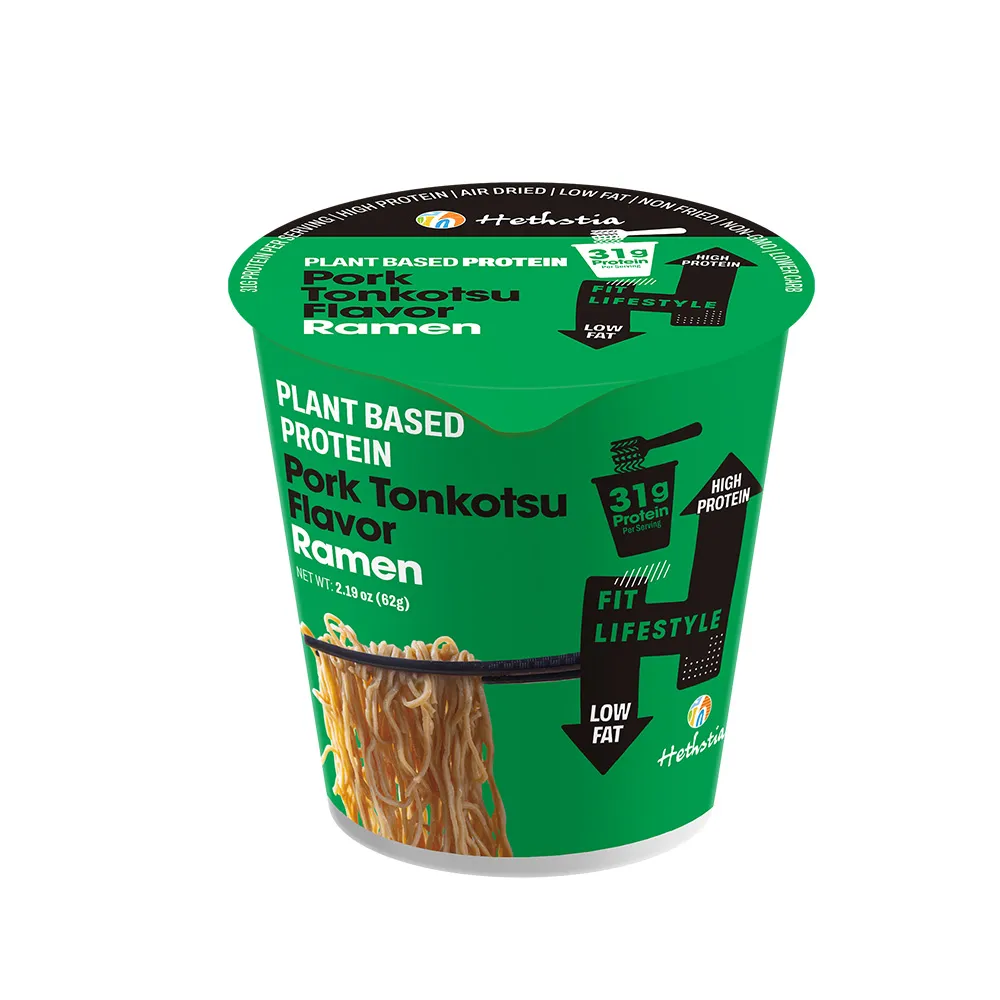
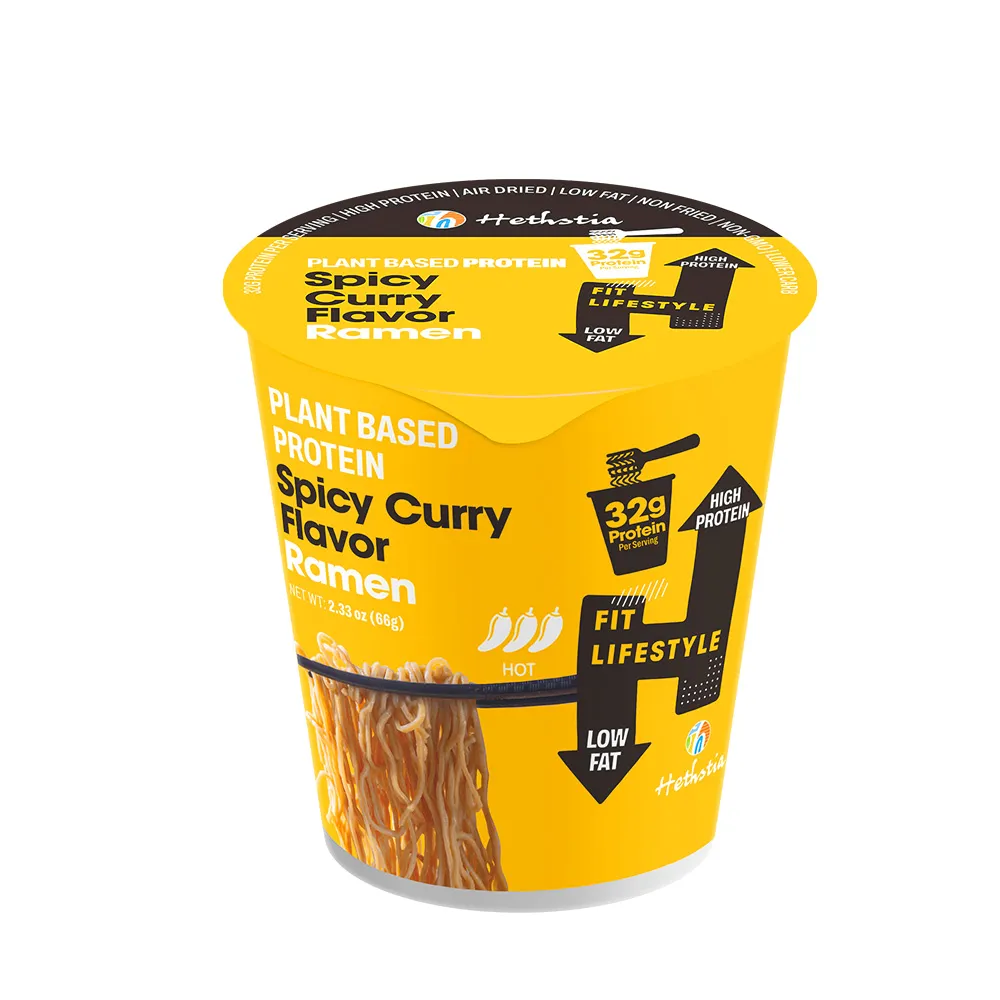
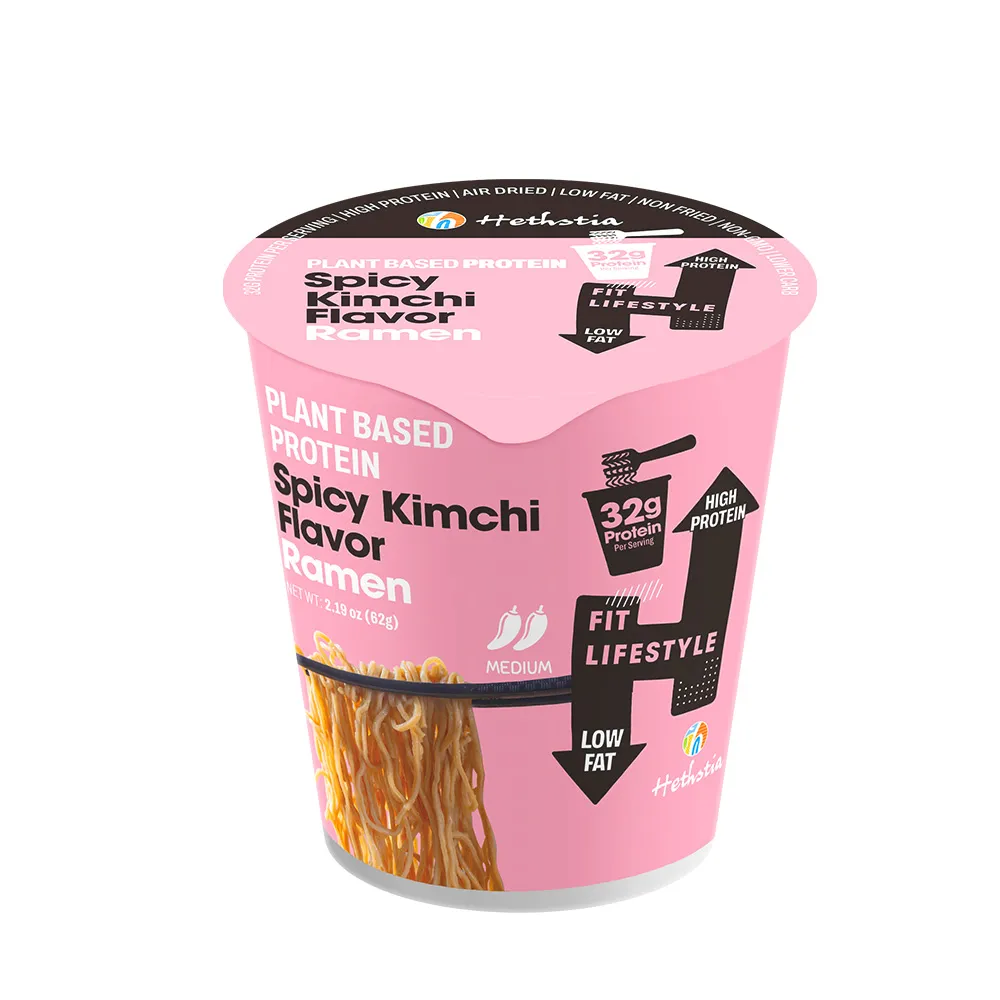
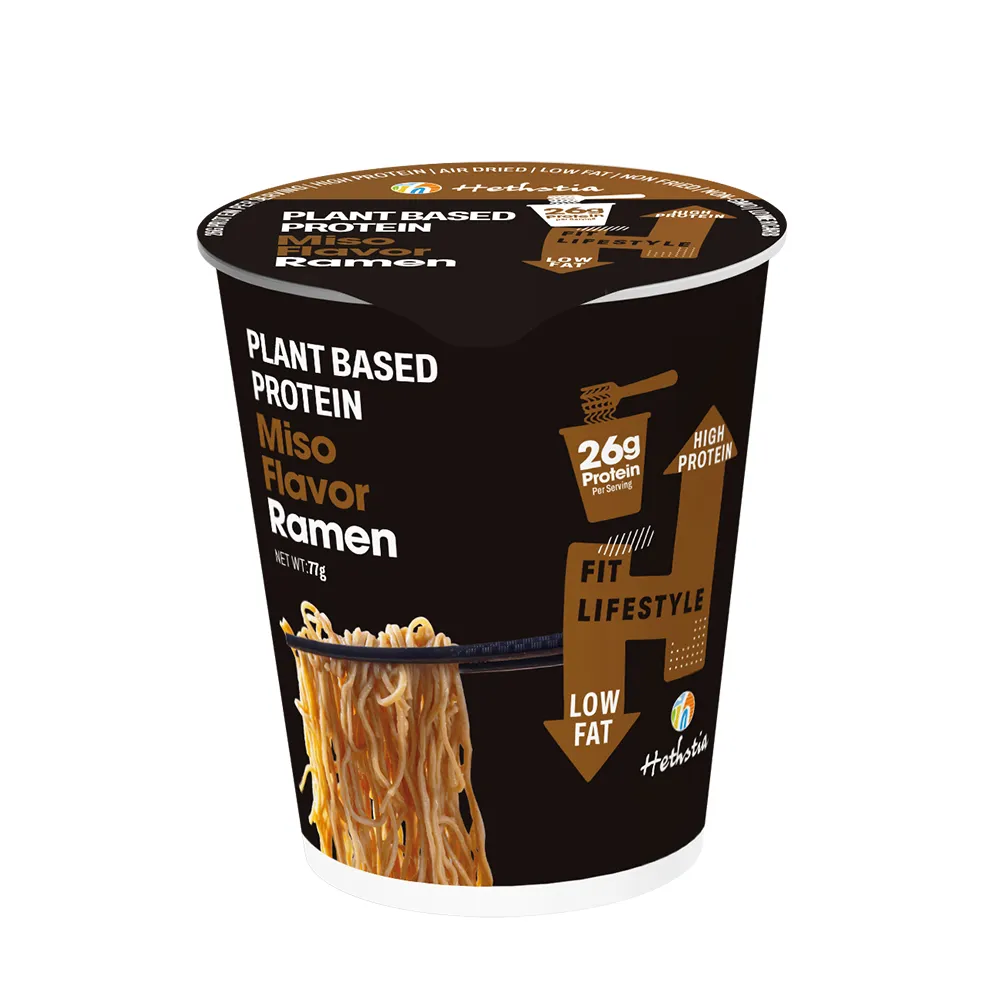
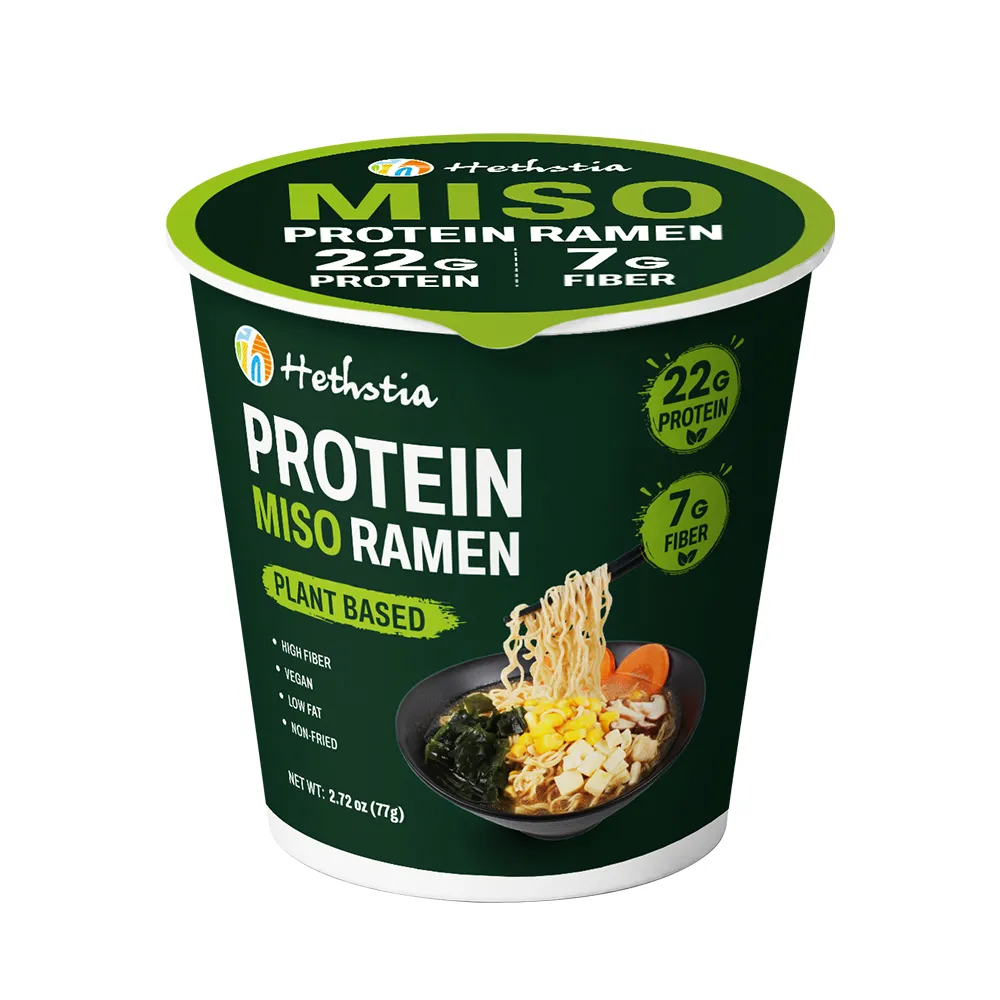
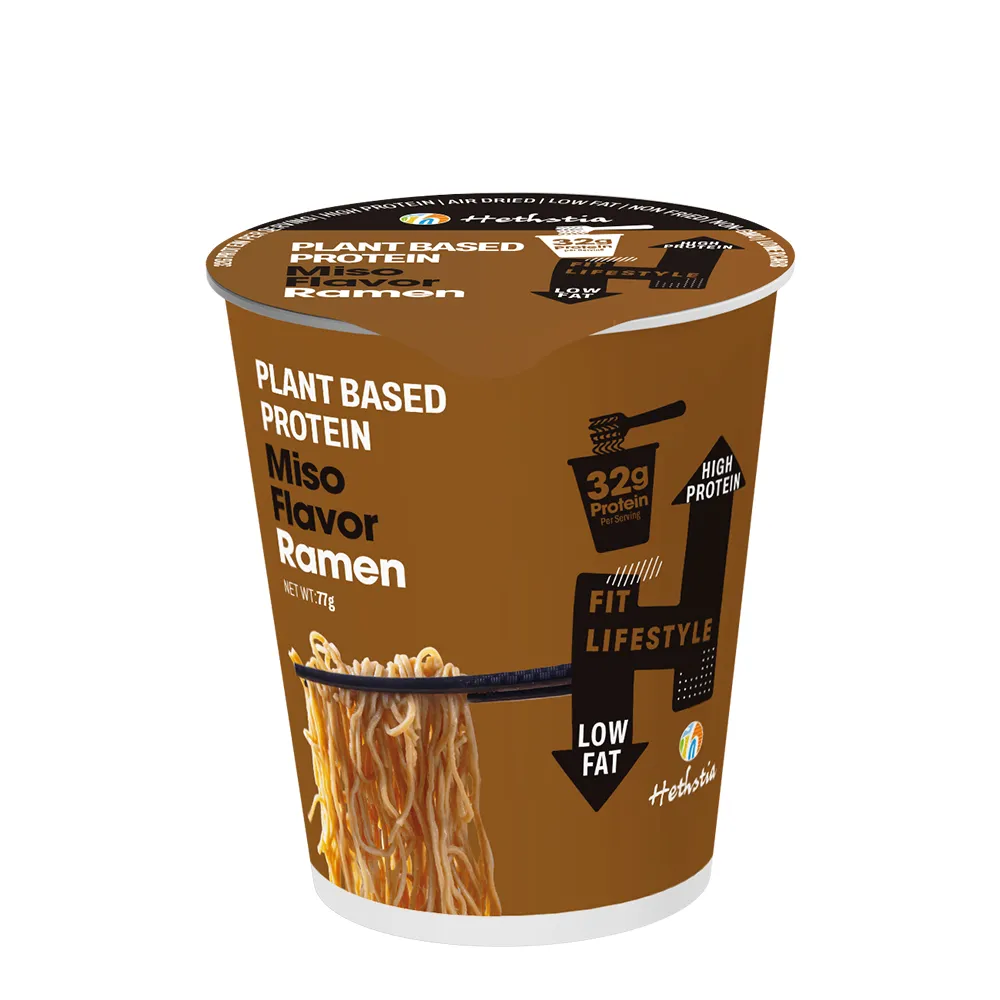
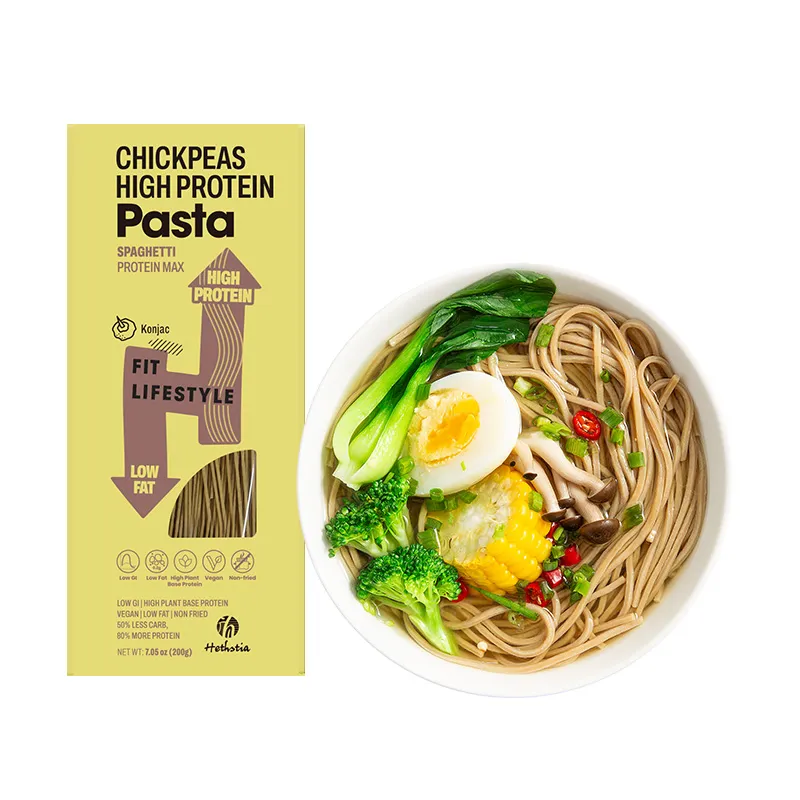
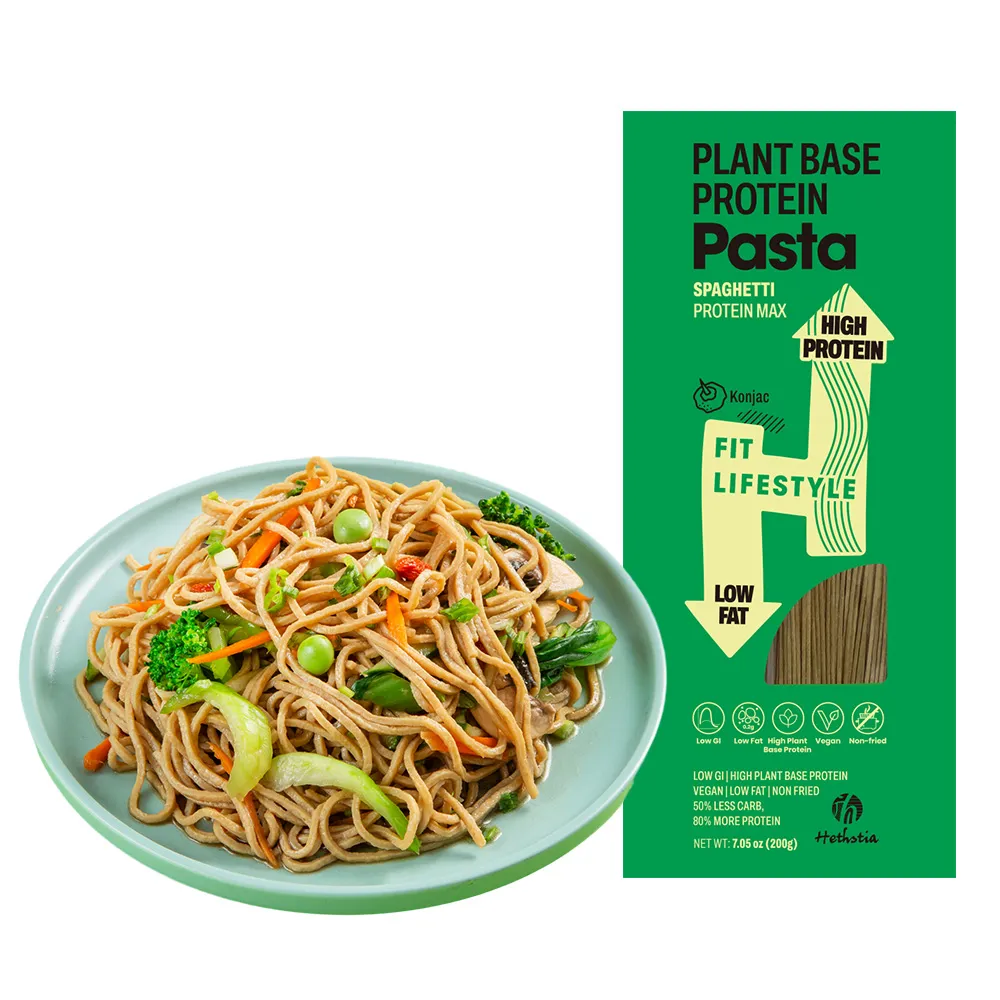
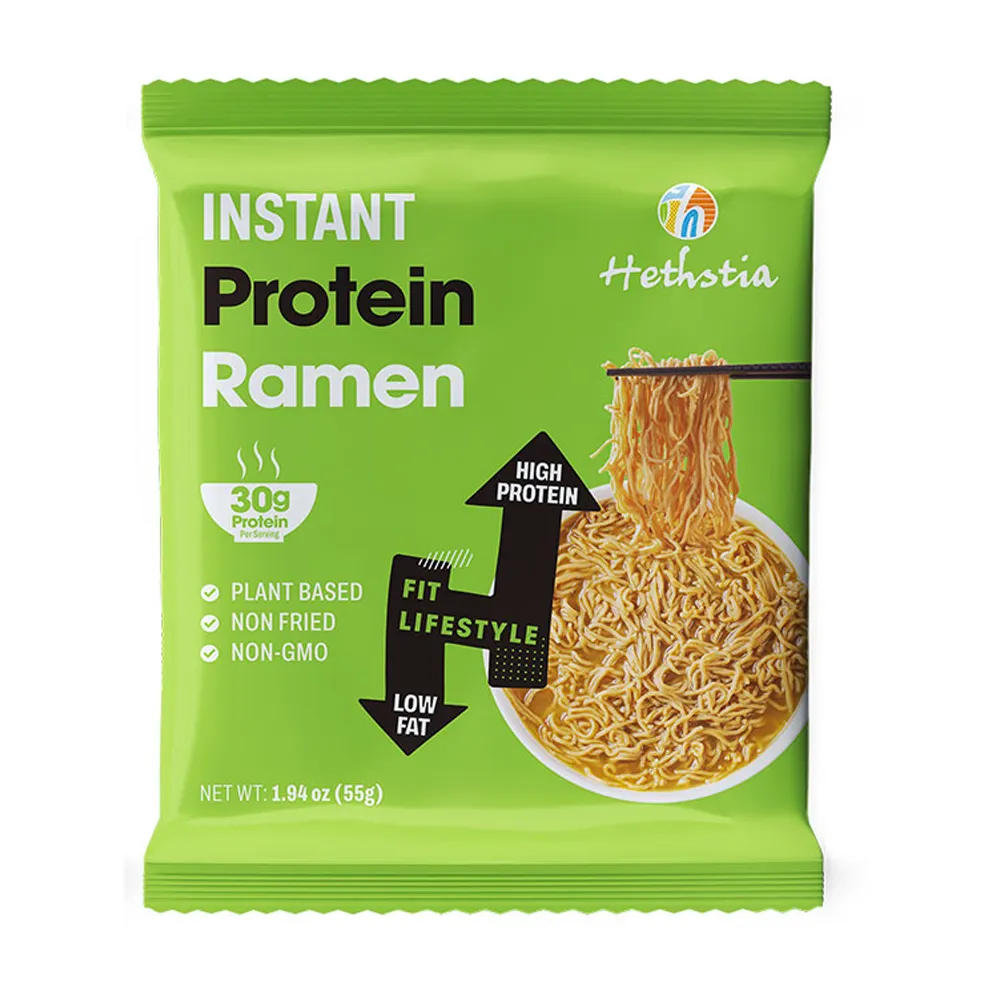
Keto ramen, high-protein vegan noodles, healthy ramen, and low-sodium ramen — Each serving contains 32g of protein; the noodles are non-fried and plant-based/vegan. OEM/private label services are available.
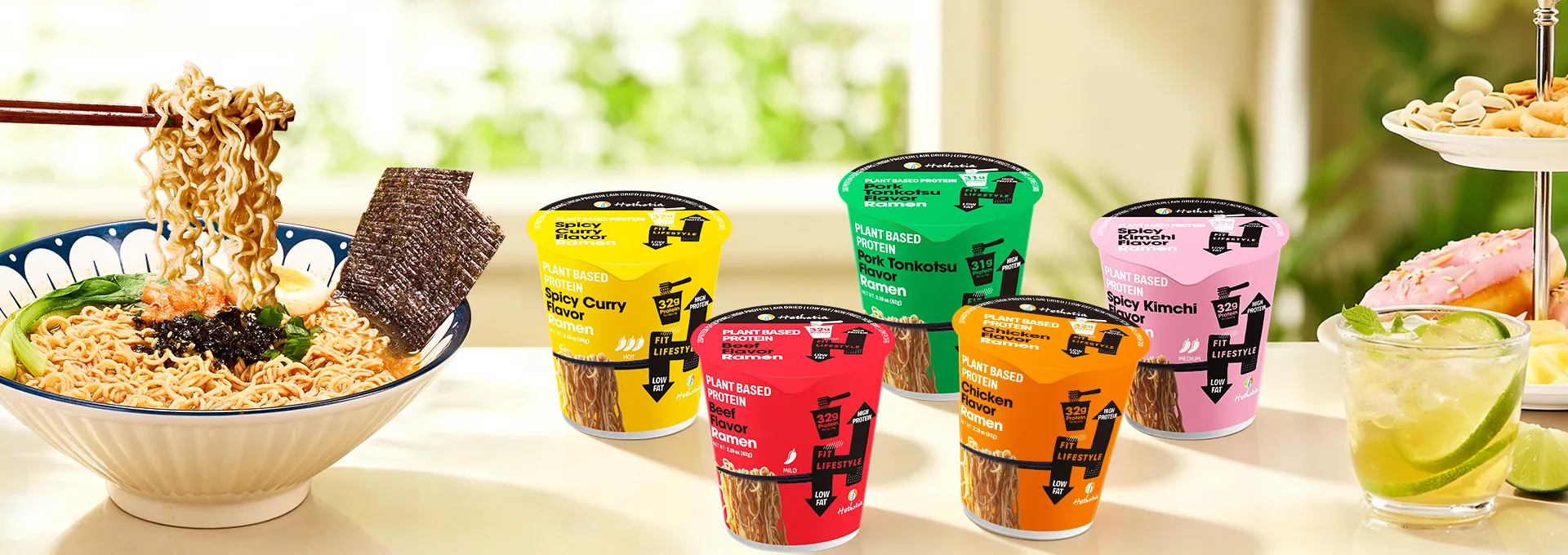
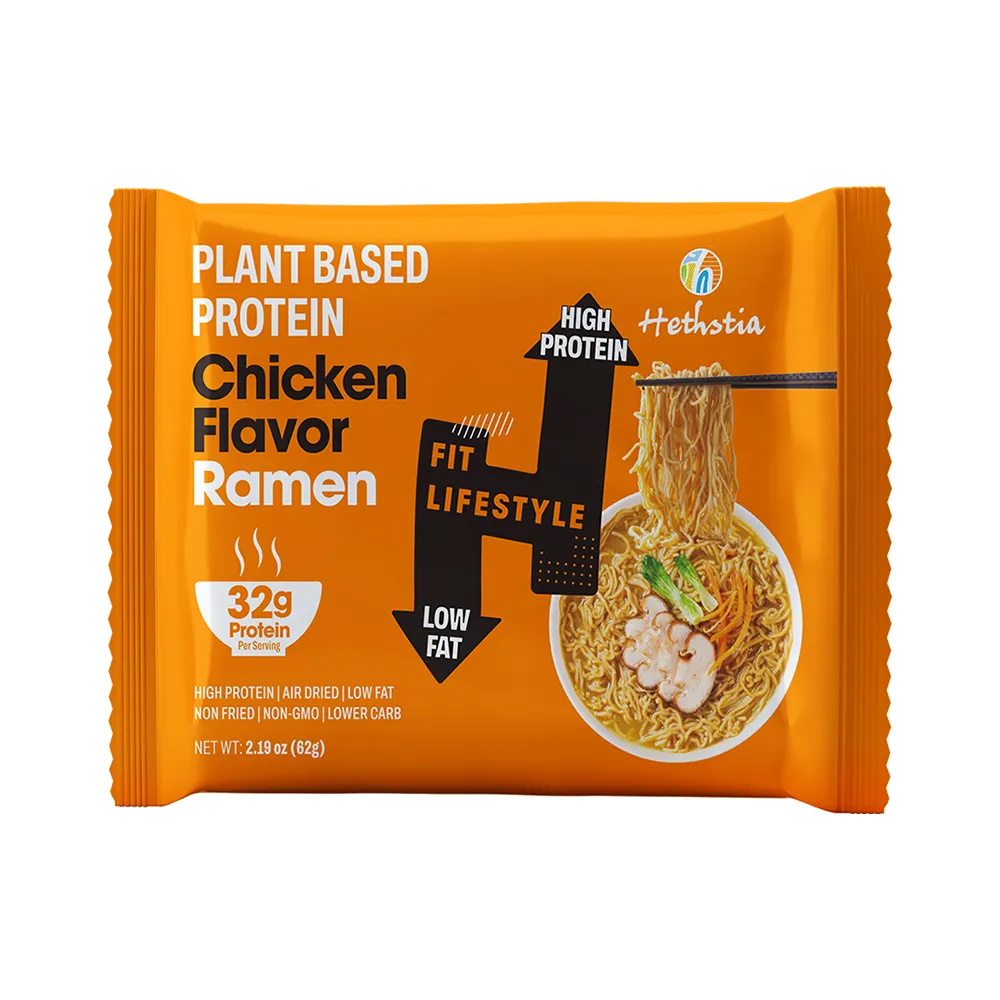
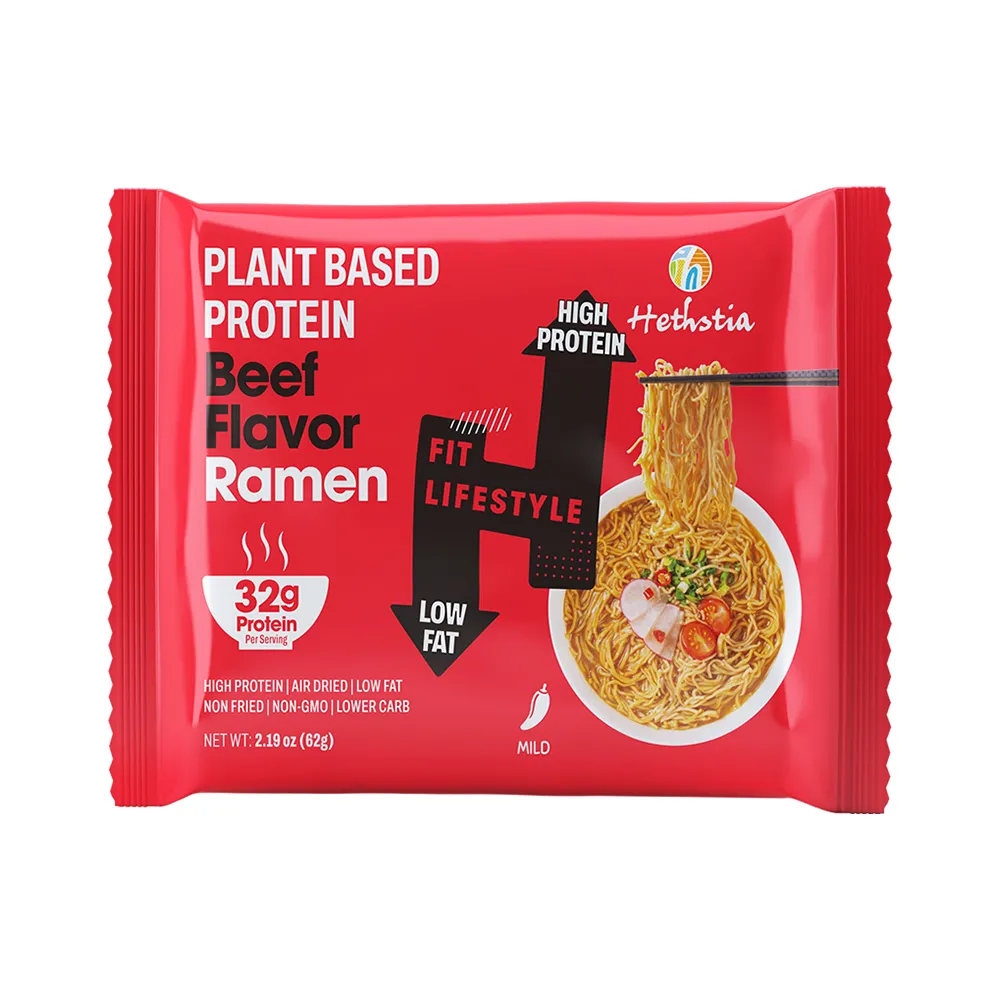
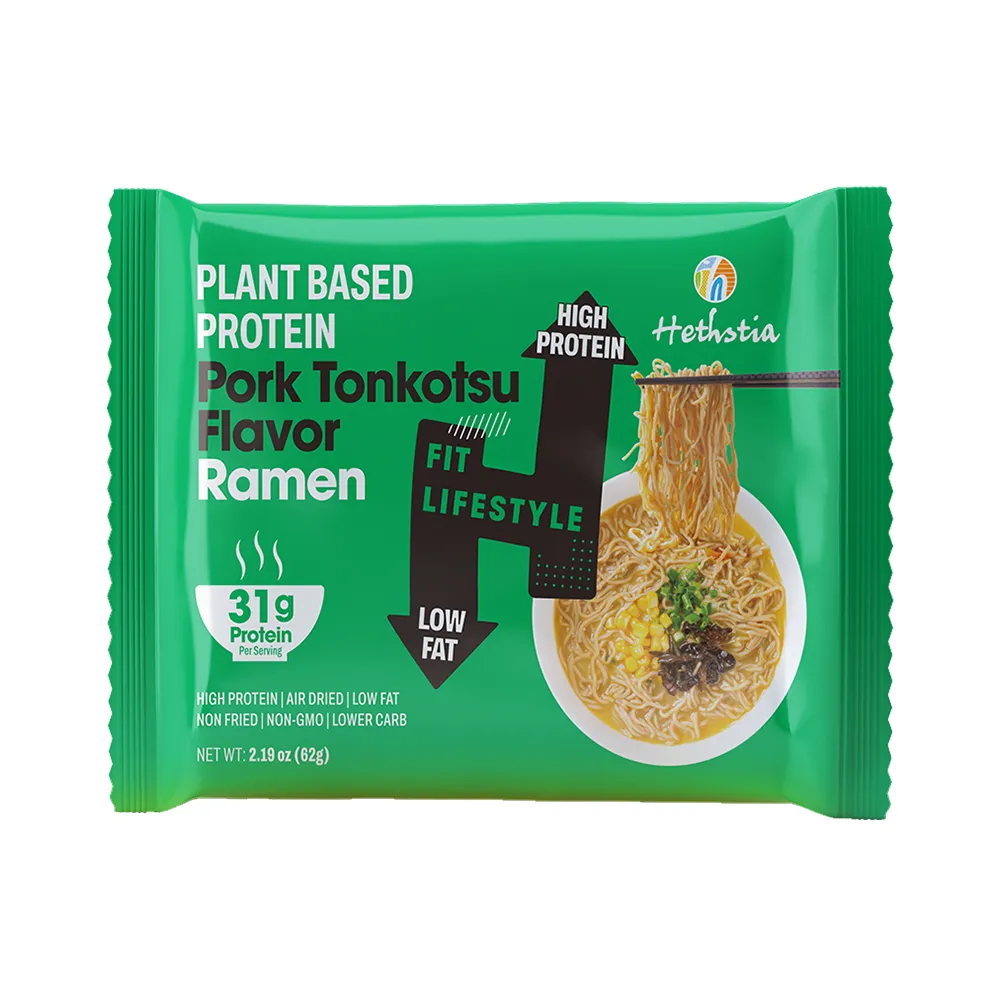
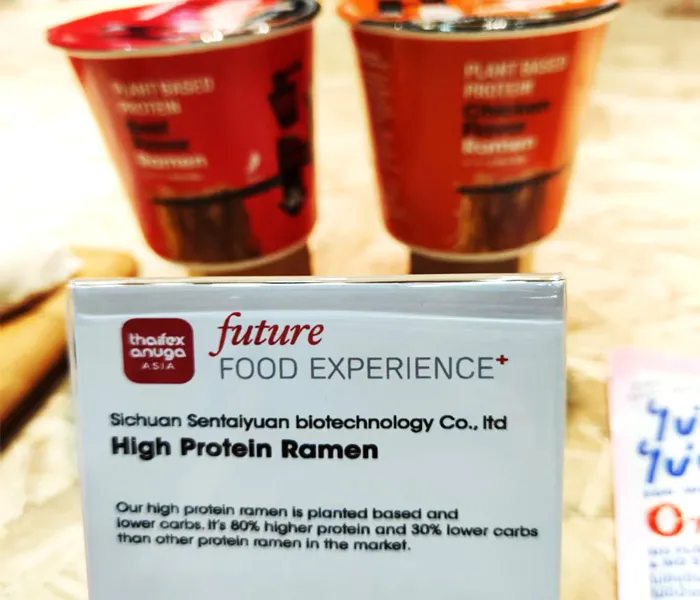
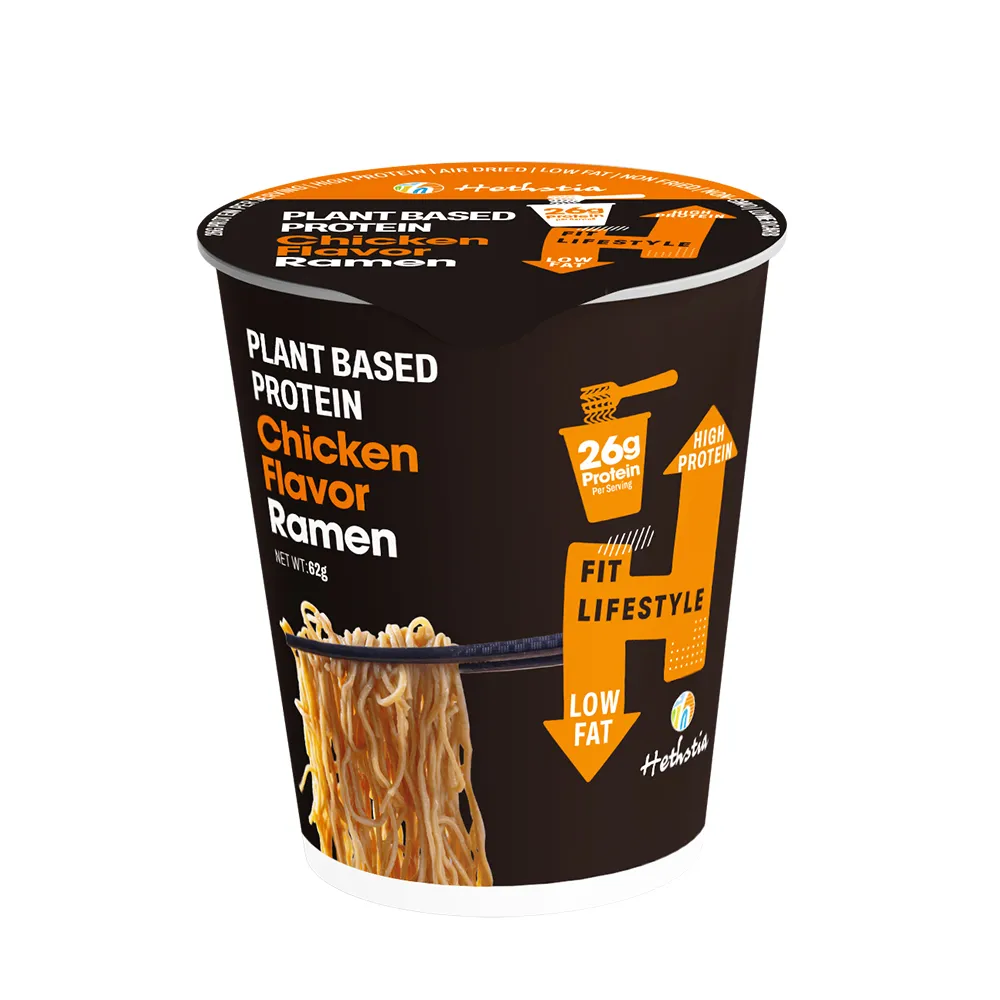
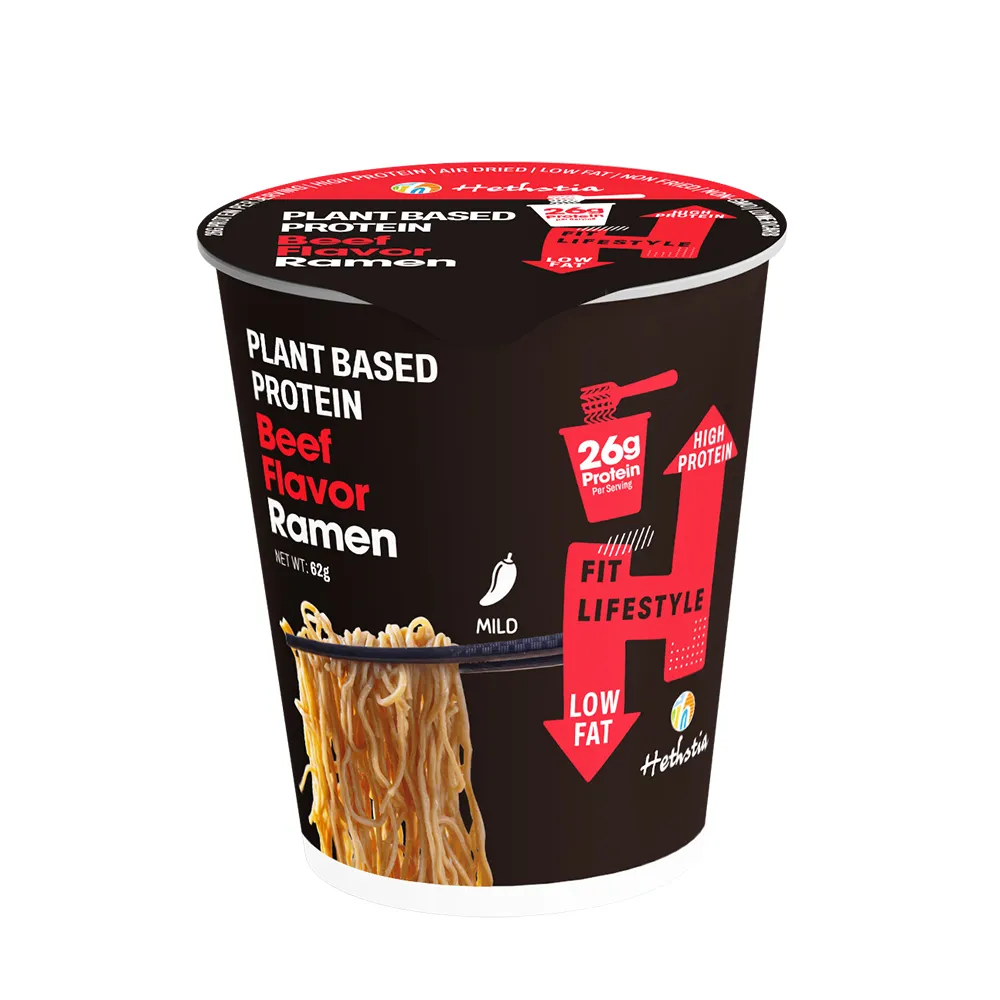
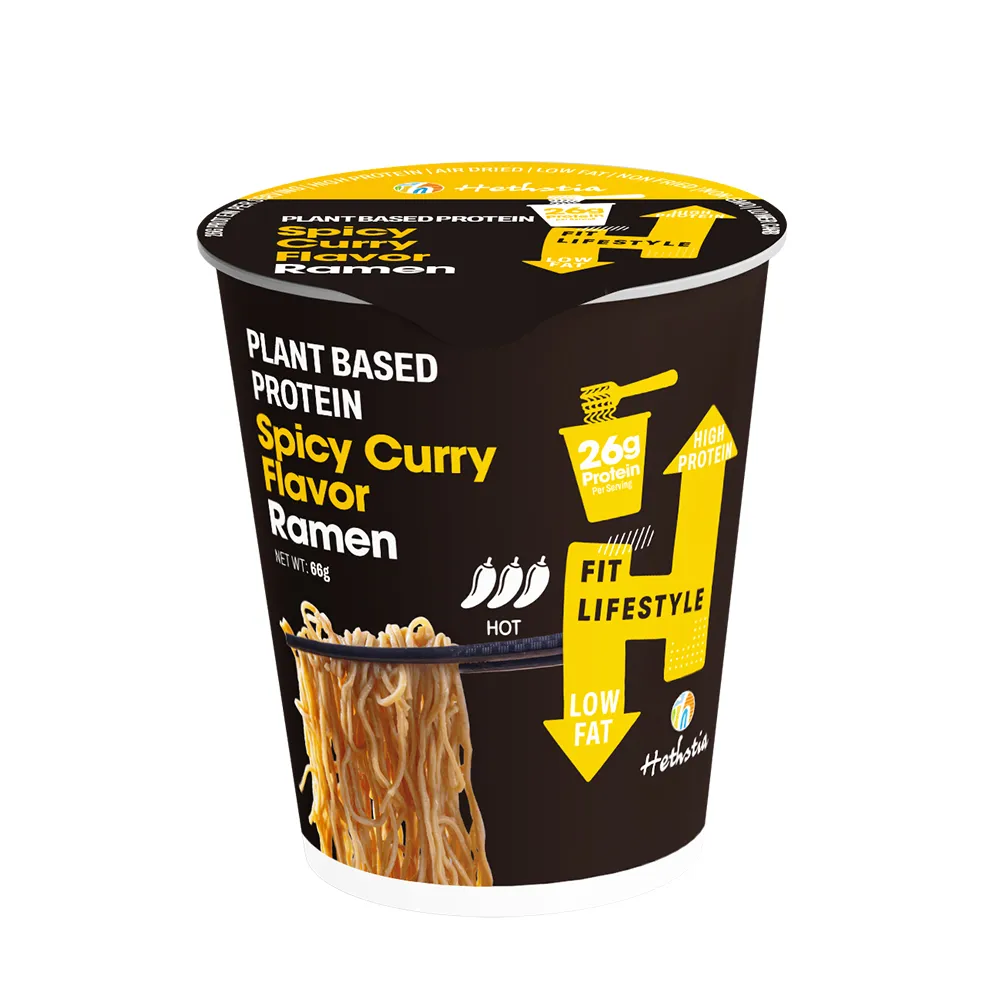
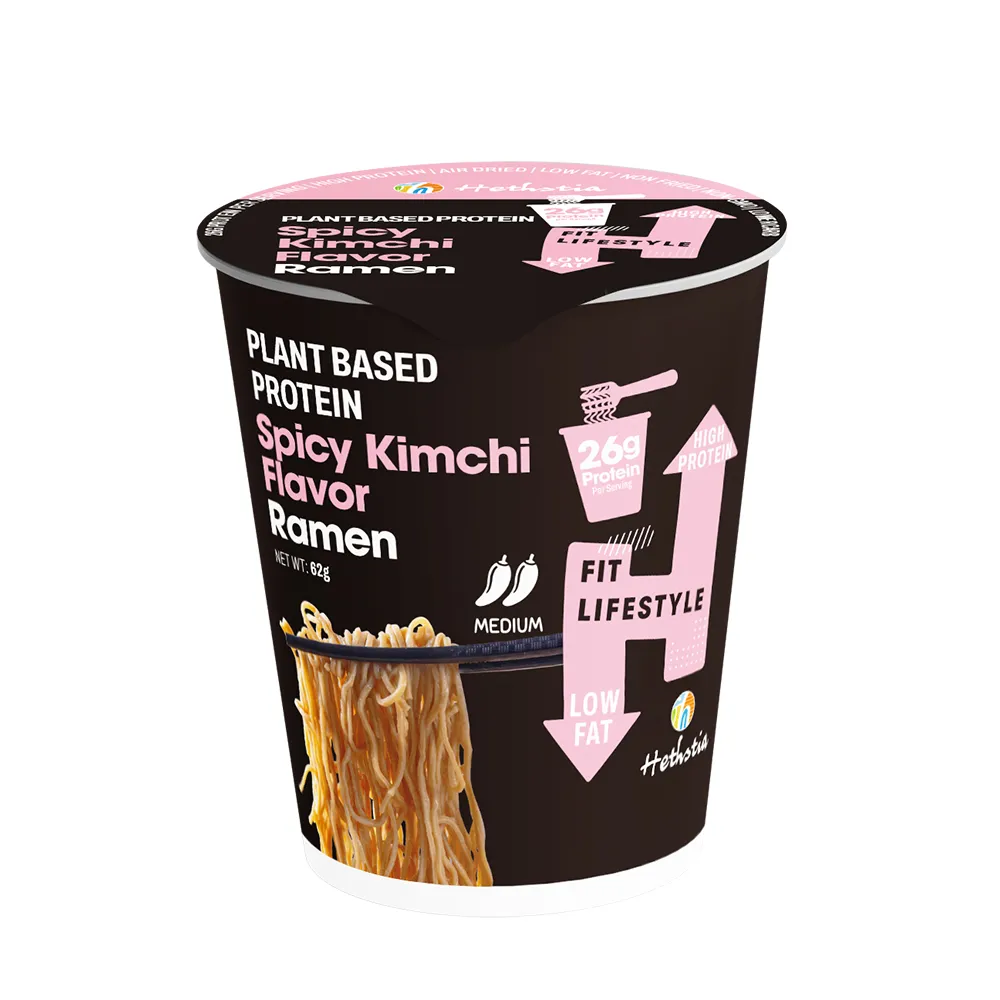
Combining high-protein content, convenience, and a variety of flavors, the Sentaiyuan low-carb, plant-based, high-protein noodle collection offers over a dozen delicious instant plant-based options (available in both pouches and cups), including Chicken, Spicy Curry, Spicy Kimchi, Beef, and Japanese Tonkotsu flavors.
Why Choose Sentaiyuan as Your Ramen Noodle Manufacturer?
01 — 30+ Years of Manufacturing Experience
Decades of experience in food manufacturing and international supply.
02 — OEM & Private Label
Custom formulations, flavors, packaging and private-label solutions for your brand.
03 — Stable Production Capacity
Reliable production capabilities to support both growing brands and large-volume orders.
04 — Certified Quality & Food Safety
IFS(HIGHER LEVEL), BRC(GRADE A+), KOSHER, HALAL, HACCP, and other food-safety and quality certifications.
05 — Responsible Manufacturing
We care about our people and our communities. We are committed to a safe, respectful and supportive workplace while continuously improving our environmental practices.
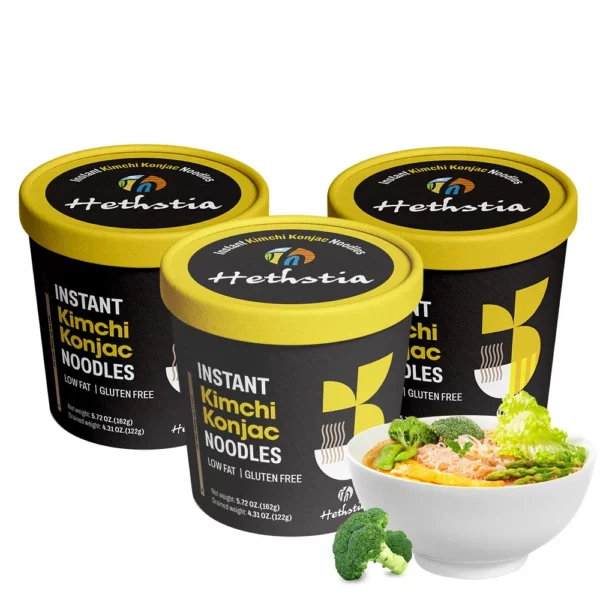
Cup noodles kimchi combines plant-based protein ramen with spicy kimchi-flavored seasoning and real kimchi ingredients in a convenient single-serve cup
Low-carb keto pea protein noodles are a great alternative to traditional pasta. Rich in high-quality plant protein, high in fiber, and free of any additives
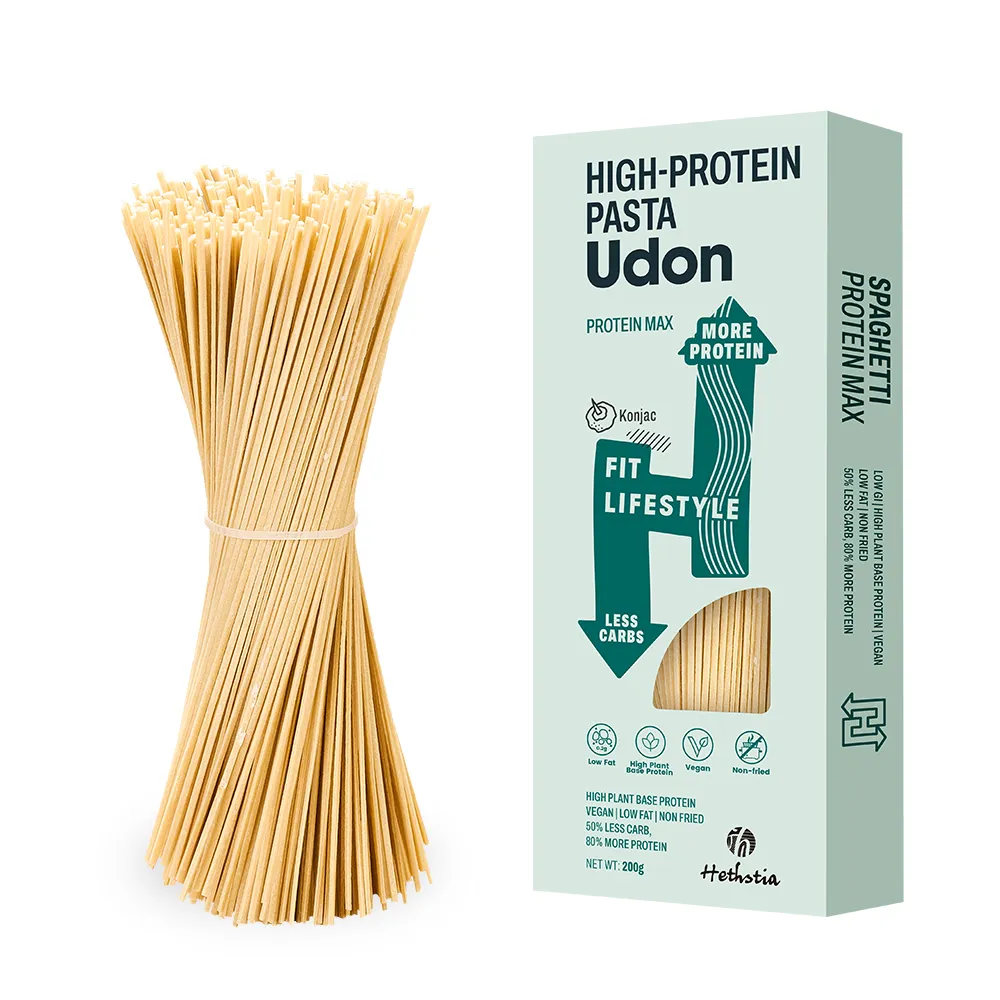
Our High Protein Linguine (Udon Pasta) delivers 22g of protein per 55g serving, providing 80% more protein than traditional ramen and 3 times more fiber
1. Do the high-protein noodles actually taste like "real" instant ramen?
It depends on your expectations. If you are expecting the exact oily, soft texture of a 50-cent pack of deep-fried Maruchan, you might be disappointed.
Flavor: The broth packets are usually very good and similar to traditional ramen.
Noodle Taste: The noodles themselves often have a more “earthy” or “nutty” flavor due to the plant proteins (pea protein) used to make them. They lack the neutral, white-flour taste of standard noodles.
2. Why are the noodles so chewy or rubbery?
High-protein noodles often rely on Vital Wheat Gluten or tough plant protein isolates to hold their shape. This creates a texture that is significantly firmer and “bouncier” than traditional wheat noodles.
Tip: They rarely get mushy. You often need to cook them longer than the package instructions say to get them soft enough for an enjoyable texture.
3. Are they Gluten-Free?
Often NO. This is a major point of confusion. Many high-protein ramen brands use Vital Wheat Gluten as the primary protein source because it is the only plant protein that mimics the “stretch” of a real noodle.
If you have Celiac disease, you must look for specific brands made from rice, lupin beans, or soy that are explicitly labeled “Gluten-Free”.
4. Why did the high-protein noodles boil over in the microwave?
High-protein noodles behave differently from starch noodles. The water often foams up aggressively due to the starches and proteins released during boiling.
The Fix: These noodles generally cook much better on a stovetop. If you must microwave them, use a very large bowl to prevent the starchy foam from exploding over the sides.
5. Do the high-protein noodles cause gas or bloating?
Yes. To keep the carb count low, these noodles are packed with fiber (often 15g+ per serving). If you eat a whole pack in 5 minutes and aren’t used to a high-fiber diet, the sudden influx of fiber and plant proteins can cause significant bloating and gas about an hour later.